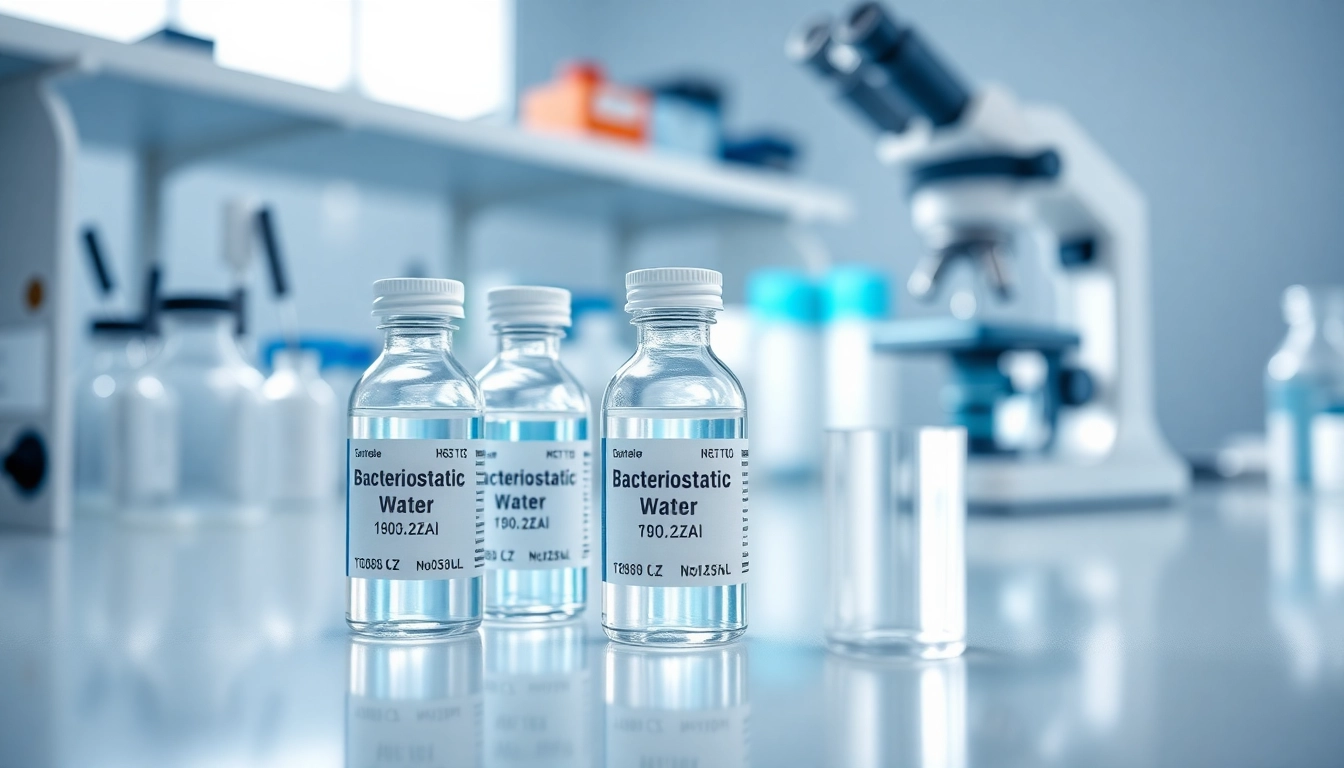
Introduction to Bacteriostatic Water
Bacteriostatic water is an essential fluid widely used in the pharmaceutical and research sectors, particularly in the preparation and reconstitution of various peptidic compounds. It offers critical advantages by inhibiting the growth of harmful microorganisms, thereby maintaining sterility during use. Understanding the characteristics and applications of bac water is vital for anyone handling research peptides.
What is Bacteriostatic Water?
Bacteriostatic water is a sterile water product, typically distilled and treated to ensure that it remains free from microbes. The key feature of bacteriostatic water is the inclusion of a bacteriostatic agent, usually benzyl alcohol. This agent acts to prevent bacterial growth, thus allowing the water to be safely used multiple times, making it particularly useful for reconstituting peptides and other delicate biological compounds. This property helps to extend the usability of the water beyond that of standard sterile water, which may be more susceptible to contamination and, consequently, to deteriorating quality over time.
Ingredients and Composition
The primary ingredients in bacteriostatic water include sterile water and a bacteriostatic agent. While benzyl alcohol is the most common choice, other agents may also be employed, depending on formulation requirements. The concentration of benzyl alcohol is typically around 0.9% in many formulations. Creating a space for sufficient maximum volume in the container further facilitates the reconstitution process for peptides, optimizing their stability and efficacy.
Applications in Research Peptides
Understanding the functionalities of bacteriostatic water opens up a wide range of applications in the field of peptide research. Its ability to maintain sterility makes it an ideal medium for reconstituting peptides, allowing researchers and practitioners alike to prepare doses that remain safe for administration over time. Bacteriostatic water is commonly used in laboratory environments where multiple doses may be drawn from a single vial, and its formulation helps ensure that no microbial contamination will compromise peptide integrity.
Importance of Sterility in Peptide Preparation
The handling of peptides requires stringent adherence to sterility protocols, as contamination can render entire batches ineffective or harmful. Maintaining a sterile environment is crucial during the preparation and administration of peptides, ensuring that researchers and medical professionals can trust their results.
Why Sterility Matters
The integrity of peptide-based therapies is directly linked to the sterility of the environment in which they are crafted. Contaminated peptides can lead to severe health risks for patients and skewed findings for researchers. In clinical applications, bacteria or other contaminants can cause adverse reactions, reduced efficacy, or even treatment failures. In the laboratory context, even the slightest microbial presence can alter experimental results, leading to incorrect conclusions and wasted resources.
Common Contamination Sources
Common sources of contamination include unclean working surfaces, non-sterile instruments, and improper handling techniques. Airborne contaminants and contact with non-sterile surfaces can introduce bacteria into environments intended to be sterile. Wearing gloves, sanitizing surfaces, and employing laminar flow hoods are effective strategies to minimize these risks, establishing a controlled atmosphere conducive to high-stake biomedical research.
Best Practices for Maintaining Sterility
To maintain sterility in peptide preparation, several best practices should be observed. First, it is essential to work in a sterile environment, such as a biosafety cabinet, where airflow can be filtered. Using sterilized tools and regularly cleansing workspaces with appropriate disinfectants is critical. Additionally, practitioners should minimize exposure times during handling and utilize aseptic techniques, such as avoiding touching vial caps with ungloved hands. Ensuring that bacteriostatic water and peptides are stored properly further extends their shelf-life, allowing for secure future use.
How to Properly Use Bacteriostatic Water
Using bacteriostatic water requires careful adherence to standard procedures, ensuring that the properties of peptides are preserved while providing an effective medium for reconstitution and storage.
Steps for Reconstituting Peptides
- Start by ensuring that all surfaces and equipment are sterilized before use.
- Withdraw the proper amount of bacteriostatic water using a sterile syringe.
- Inject the bacteriostatic water into the peptide vial gently, aiming the stream against the glass to prevent frothing.
- Swirl the vial gently to facilitate dissolution, avoiding vigorous shaking.
- Once fully dissolved, inspect the solution for clarity and absence of particulates.
Dosing and Administration
After reconstitution, peptides should be drawn up with a sterile syringe for administration. Dosing can vary based on the individual’s specific needs or the intended study parameters. Following appropriate dosing guidelines ensures safety and efficacy, allowing for optimal therapeutic outcomes. It is also vital to document the dosage administered, ensuring that records remain unchanged for future administrations or studies.
Storage Guidelines
Proper storage is crucial for preserving the quality of both bacteriostatic water and reconstituted peptides. Unopened vials of bacteriostatic water should be stored in a cool, dry environment, typically at room temperature. After reconstitution, peptides should be refrigerated, and it may be wise to limit their use to within a defined period—commonly a few weeks for safety and effectiveness. Monitoring for changes in appearance or odor before each use further aids in avoiding potential issues.
Safety Considerations When Handling Bacteriostatic Water
As beneficial as bacteriostatic water is, users should remain vigilant regarding safety considerations when handling it, particularly concerning dosage limits, potential reactions, and disposal methods.
Understanding Dosage Limits
Dosage limits for bacteriostatic water depend primarily on the specific peptides being reconstituted and the concentration of the agent used. Always consult product labels and clinical guidelines to determine appropriate doses. Adhering to these guidelines maximizes therapeutic potential while minimizing the risk of adverse events.
Potential Side Effects and Reactions
While it is generally well-tolerated, bacteriostatic water can sometimes cause local reactions, such as irritation at the injection site or allergic responses in sensitive individuals. If any unusual symptoms arise following administration, immediate medical attention should be sought, and future dosages should be reconsidered.
Disposal Methods for Used Solutions
Disposing of used solutions must be done in accordance with local regulations. Bacteriostatic water, when mixed with biological waste, should be treated as biohazardous. Use designated sharps containers for disposal of syringes and any materials that came into contact with the solution. Consulting institutional guidelines or local health authorities can provide clarity on proper disposal methods.
Frequently Asked Questions
What is the shelf life of bacteriostatic water?
The shelf life is typically up to 28 days after opening. Always check labels for guidelines.
Can bacteriostatic water be used for injections?
Yes, but only as directed for specific substrates like research peptides to ensure safety.
Is bacteriostatic water safe for all peptides?
Not all peptides are compatible; it is crucial to check with your supplier for specific details.
How to tell if bacteriostatic water has gone bad?
Look for changes in color, clarity, or presence of particles in the solution to determine quality.
Where can I buy high-quality bacteriostatic water?
It's best to purchase from reputable suppliers that adhere to strict quality assurance standards.