Introduction to Excavators
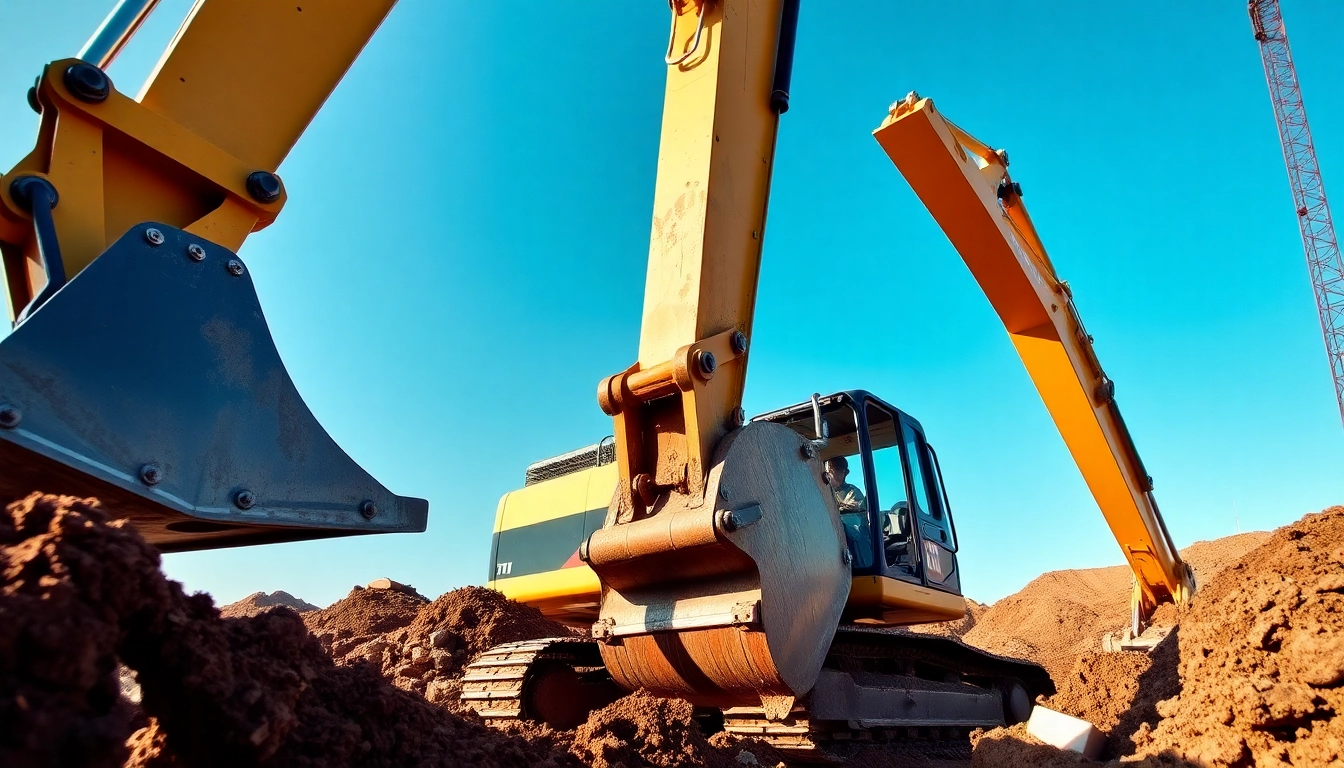
Excavators are indispensable heavy construction equipment that play a crucial role in various industries. Whether you are involved in construction, landscaping, or demolition, understanding this machinery's functionality and applications can significantly enhance project efficiency. An excavator primarily consists of a boom, dipper (also referred to as a stick), bucket, and cab, all mounted on a rotating platform known as the "house." The design has evolved over the years, incorporating advanced technology for enhanced performance.
What is an Excavator?
An excavator is a large machine used for digging and moving earth and materials. It typically features a long arm with a bucket attached to its end, allowing it to perform various tasks such as digging trenches, lifting heavy materials, and grading surfaces. The versatility in design and functionality makes excavators an essential asset on most job sites.
Key Components of Excavators
Understanding the fundamental components of an excavator is crucial for anyone operating or considering the use of this machinery. Below are the main parts:
- Cab: The operator's cabin, providing visibility and control over the excavator's operations.
- Boom: A long arm that allows the bucket to reach deep into the ground.
- Dipper (Stick): Connects the boom to the bucket, providing additional reach.
- Bucket: The primary component for digging and moving materials; available in various sizes and shapes depending on the task.
- Undercarriage: Hos the tracks or wheels that enable mobility on various terrains.
- Hydraulics: The system that powers the movements of the arm and bucket, crucial for efficient operation.
Different Types of Excavators
Excavators come in several types, each designed for specific applications:
- Standard Excavators: These are the traditional large excavators used for heavy construction and mining.
- Mini Excavators: Compact and highly maneuverable, ideal for small-scale projects like landscaping and residential tasks.
- Midi Excavators: A balance between standard and mini excavators, suited for moderate jobs requiring more power.
- Long Reach Excavators: Equipped with an extended boom for deep digging in rivers or over cliffs.
- Crawler Excavators: Designed with tracks for better stability on uneven grounds.
- Wheel Excavators: Equipped with wheels instead of tracks, suitable for urban construction where speed is essential.
How Excavators are Used
Excavators in Construction
In construction, excavators are fundamental for digging foundations, moving soil, and lifting heavy materials. They can also be fitted with different attachments like augers for drilling holes or hydraulic breakers for demolition. Their mobility and adaptability make them a go-to option for any construction site.
Excavators for Landscaping
Landscaping projects require precise digging and earth-moving capabilities. Mini excavators, in particular, are highly favored in creating gardens, ponds, and other landscaping features. They provide the control needed to operate in tighter spaces while still delivering sufficient power.
Excavators in Demolition
Excavators are critical during demolition projects. They are equipped with specialized attachments such as claws or wrecking balls that facilitate the breakdown of structures safely and efficiently. Their versatility allows for selective demolition, preserving adjacent structures while effectively dismantling unwanted ones.
Choosing the Right Excavator for Your Project
Factors to Consider
When selecting an excavator, several factors should be carefully evaluated:
- Project Type: Consider if the project requires heavy lifting, precise digging, or mobility.
- Size of the Site: Smaller sites may benefit from mini excavators, while large construction areas may require standard models.
- Terrain: The nature of the ground can determine whether a wheeled or tracked excavator is more appropriate.
- Attachment Needs: Assess the necessary attachments for specialized tasks.
- Budget: Weigh the costs of purchasing versus renting a machine for temporary projects.
Common Mistakes to Avoid
Avoid the following pitfalls when choosing an excavator:
- Underestimating Size: Choosing a too-small excavator may result in inefficiencies.
- Neglecting Attachments: Failing to plan for necessary attachments can hinder project progress.
- Lack of Operator Training: Ensuring that operators are well-trained to use the excavator safely and efficiently is paramount.
Hiring vs. Buying an Excavator
The decision to hire or buy an excavator comes down to project duration, frequency of use, and available budget. Hiring is ideal for short-term projects or when specific equipment is needed only occasionally. In contrast, purchasing makes sense for frequent use or large-scale operations, allowing for customized equipment purchases.
Maintenance and Safety of Excavators
Regular Maintenance Practices
Routine maintenance is essential for the longevity and performance of an excavator. Key practices include:
- Daily Inspections: Check fluid levels, brakes, tracks, and overall physical condition.
- Scheduled Servicing: Follow manufacturer guidelines for service intervals to keep operability in check.
- Cleaning: Regularly clean the undercarriage and other parts to prevent wear and tear.
Safety Protocols when Operating Excavators
Operator safety is paramount when using an excavator. Adhere to the following protocols:
- Wear Personal Protective Equipment (PPE): Helmets, gloves, and visibility vests are crucial.
- Maintain a Clear Worksite: Ensure that the workspace is free from obstructions and unnecessary personnel.
- Understand Controls: Operators must be thoroughly familiar with the excavator's controls before operation.
Understanding Excavator Performance Metrics
Key performance metrics to evaluate when using excavators include:
- Digging depth: Indicates how deep the excavator can dig.
- Bucket capacity: Reflects how much material can be transported at once.
- Operating weight: Influences stability and mobility on various terrains.
- Maximum reach: A critical factor for projects requiring extended digging.
Future Trends in Excavator Technology
Advancements in Excavator Design
The future of excavators looks promising with continuous innovation. Emerging trends include enhanced hydraulic systems for better power efficiency and reduced operational costs. Manufacturers are also focusing on compact designs that allow for greater maneuverability without sacrificing power.
Eco-Friendly Excavator Innovations
With an increasing emphasis on sustainability, many excavator models are being designed with eco-friendly technologies. Electric excavators are being developed, reducing emissions and noise levels while maintaining performance. These innovations are vital for compliance with environmental regulations and for minimizing the ecological footprint.
The Role of Technology in Excavator Operation
Technology integrations such as telematics, automated controls, and advanced safety systems are revolutionizing excavator operation. Operators can monitor performance metrics in real-time and adjust operations accordingly for enhanced efficiency, safety, and productivity.
Frequently Asked Questions about Excavators
What is the primary use of an excavator?
The primary use of an excavator is for digging, moving earth, and performing various heavy construction tasks. They are also used for demolition and landscaping projects.
How does a mini excavator differ from a standard excavator?
A mini excavator is smaller and more maneuverable than a standard excavator, making it suitable for tight spaces and delicate tasks, while standard excavators are used for more extensive operations requiring greater power and capacity.
What are the safety features of modern excavators?
Modern excavators often come equipped with safety features like backup alarms, emergency stop buttons, and advanced operator cab design to enhance visibility and reduce injury risk.
How often should excavators be maintained?
Excavators should undergo thorough maintenance and inspections regularly, ideally at least every 250 operating hours, with daily checks on crucial components before use.
What is the average lifespan of an excavator?
The average lifespan of an excavator can reach up to 20 years, depending on usage, maintenance, and environmental conditions, with regular maintenance playing a key role in longevity.
Contact Information
Call Us: 4062607988Address: 3906 MT-40, Columbia Falls, MT 59912