Understanding Deepfake Technology and Its Implications
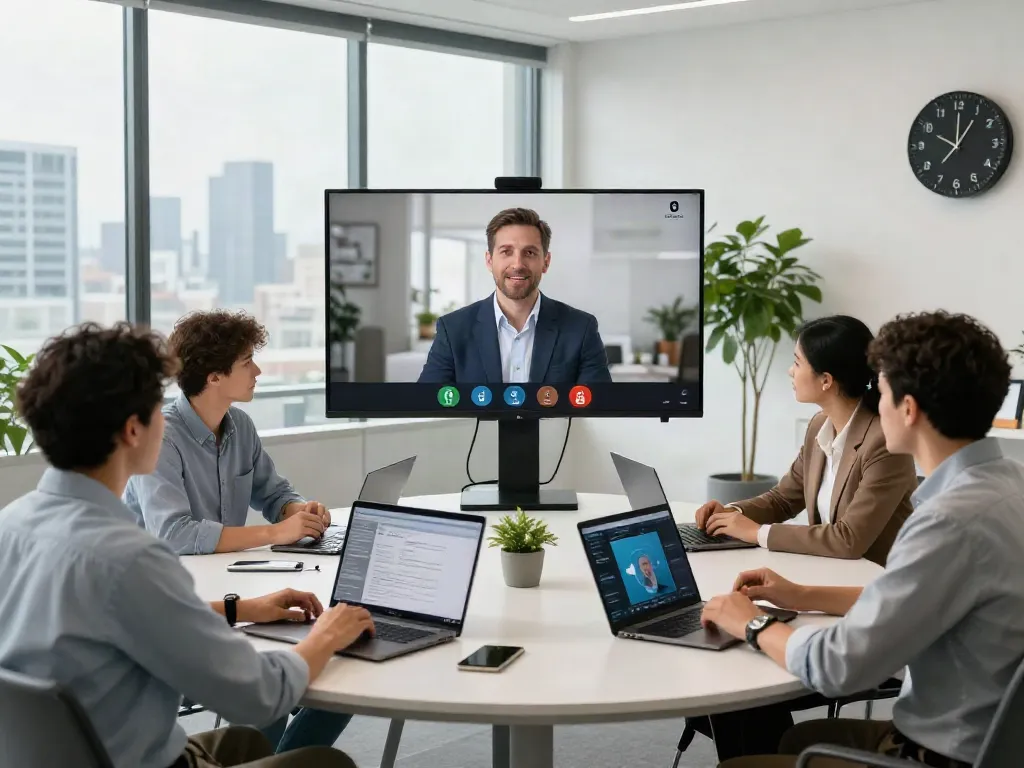
In an era where technology continues to evolve at breakneck speed, deepfake technology stands out as one of the most disruptive innovations of recent times. It utilizes artificial intelligence to create hyper-realistic audio and visual content that can be challenging to distinguish from reality. As we integrate these advancements into our daily communications, especially in video conferencing, the risk of misuse increases. These synthetic media applications are now so advanced that they can manipulate identities and voices, leading to potential security threats in personal and professional environments. To navigate these challenges, organizations are turning to solutions that provide reliable Deepfake protected Conferencing.
What Are Deepfakes?
Deepfakes refer to media content, be it video or audio, that has been altered using artificial intelligence algorithms to create deceptively realistic outputs. The term is a portmanteau of "deep learning" and "fake," a name that encapsulates both its methodology and its nature. Through the use of neural networks, especially Generative Adversarial Networks (GANs), deepfake technology can fabricate convincing representations of individuals, making it appear as though they have said or done something they never actually did.
The Evolution of Deepfake Technology
Initially gaining notoriety for its use in creating celebrity pornographic content, deepfakes have seized the public's imagination through viral videos of public figures saying or doing outrageous things. However, the technology has matured, finding applications in marketing, film, and even education. As deepfake algorithms become more sophisticated, they present both opportunities and risks, especially in professional settings where trust and authenticity are paramount.
Risks Associated with Deepfakes in Communication
The risks posed by deepfakes are multifaceted. They can undermine trust in media, distort public opinion, and facilitate fraud. For instance, deepfakes can be used to impersonate executives during video conferences, potentially leading to unauthorized transactions or other malicious activities. This has significant implications for corporate security and necessitates protective measures such as deepfake detection tools in professional environments.
Challenges in Video Conferencing Security
As businesses increasingly rely on video conferencing for meetings and negotiations, the threat landscape continues to evolve. Understanding these challenges is essential for ensuring secure and reliable communication. The integration of deepfake technology into video conferencing poses unique hurdles that organizations must address to safeguard their interests.
The Impact of Deepfake Technology on Business Meetings
Deepfakes can fundamentally disrupt business meetings by creating scenarios where participants might not be who they claim to be. This raises immediate concerns about confidentiality and authenticity. For example, a deepfake could allow a malicious actor to attend meetings as a trusted executive, leading to significant financial or reputational damage.
Common Misconceptions About Deepfake Protection
Many businesses mistakenly believe that existing security measures are sufficient to combat deepfake threats. In reality, traditional methods of authentication (like simple passwords or PINs) are often inadequate against sophisticated deepfake technology. Businesses need to adopt a more comprehensive approach that includes advanced detection technologies and training for employees to recognize potential threats.
Assessing Vulnerabilities in Current Video Conferencing Tools
Most current video conferencing tools have not been designed with deepfake threats in mind. They often lack robust authentication mechanisms or fail to incorporate real-time detection of manipulated content. As these platforms evolve, understanding their vulnerabilities is crucial for organizations seeking to protect themselves against likely deepfake attacks.
Best Practices for Deepfake Protected Conferencing
To mitigate the risks associated with deepfakes during video conferences, organizations should adopt best practices that enhance security protocols and awareness across their teams.
Implementing Deepfake Detection Tools
Investing in deepfake detection technology is essential for any organization conducting virtual meetings. These tools analyze audio and video feeds for signs of manipulation, providing alerts when a potential deepfake is detected. Companies can significantly reduce their risk by integrating these solutions into their digital communication platforms.
Establishing Secure Meeting Protocols
Organizations should establish strict protocols for how meetings are conducted. This might include verifying participant identities through multi-factor authentication, using encrypted communication channels, and setting up one-time meeting links that expire after use. Such measures help prevent unauthorized participants from accessing sensitive information.
Educating Employees on Deepfake Recognition
Employee training is a critical line of defense against deepfakes. Regularly educating teams about the signs of manipulated media, and how to respond if they encounter suspicious content, can empower them to act quickly and effectively in protecting organizational integrity.
Case Studies: Successful Implementation of Deepfake Protection
Learning from successful implementation of deepfake protection strategies can provide valuable insights to other organizations aiming to enhance their security frameworks. Here are some notable examples.
Corporate Success Stories Using Deepfake Protection Software
Several large corporations have successfully integrated deepfake protection software, resulting in a measurable decrease in fraud attempts during video conferences. These organizations reported increased trust among employees and stakeholders, as the risk of deepfake impersonation diminished.
Lessons Learned from High-Profile Deepfake Incidents
High-profile incidents involving deepfakes serve as cautionary tales for organizations. An incident where a CEO was impersonated during a critical transaction highlighted the need for stringent verification processes. This company subsequently invested in advanced detection solutions and saw a marked improvement in their meeting security.
Innovations in Secure Video Conferencing Solutions
Innovations in video conferencing technology have emerged as organizations begin to prioritize security. Solutions that combine blockchain for authenticity tracking with advanced AI-based deepfake detection are at the forefront of new developments in this field, offering promising prospects for secure communications.
Future Trends in Deepfake Protection and Conferencing
The future of deepfake protection in conferencing is evolving rapidly, and organizations must stay ahead of emerging trends to ensure their communications remain secure.
Predictions for Deepfake Technology in 2026 and Beyond
Experts predict that the sophistication of deepfake technology will continue to increase, making detection increasingly challenging. As a result, organizations will need to invest in more advanced algorithms and proactive measures to counter these advancements.
Emerging Technologies for Enhanced Security
New technologies, such as AI-driven anomaly detection and biometric identification systems, are on the horizon to provide enhanced security. These solutions may allow organizations to verify the authenticity of participants in real-time, further mitigating the risks associated with deepfakes.
Staying Ahead of the Deepfake Curve: Strategies for Organizations
Organizations must adopt a proactive stance towards deepfake threats. This includes regularly updating security protocols, conducting threat assessments, and fostering a culture of cyber awareness among employees. Staying informed about the latest developments in deepfake technology is crucial.
What Is the Future of Deepfake Laws and Regulations?
The regulatory landscape surrounding deepfakes is evolving. As deepfake technology becomes more pervasive, lawmakers are being pressed to establish guidelines and regulations governing its use. Organizations must be prepared for potential legal ramifications and compliance requirements.
How Will Remote Work Shape the Future of Conferencing?
The remote work shift has permanently altered the conference landscape. As meetings move online, the demand for secure conferencing solutions will grow, prompting organizations to adopt sophisticated technologies to protect against deepfakes while ensuring seamless collaboration.