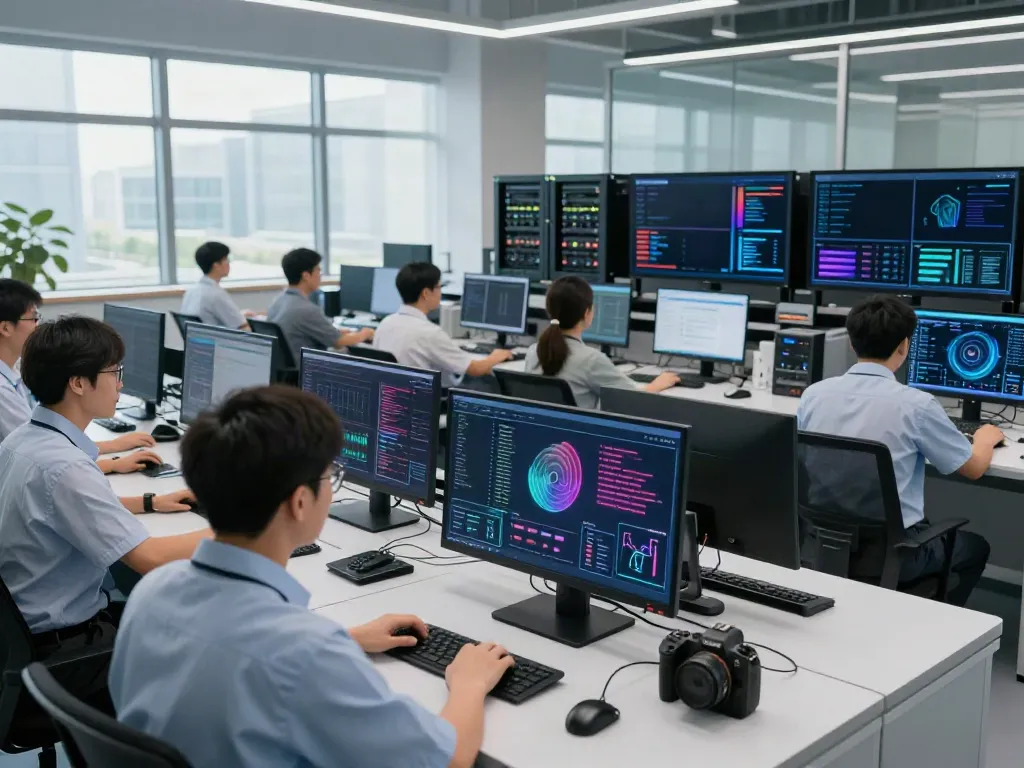
Understanding AI Image Detection Technology
As technology evolves, so does the ability to create and manipulate visual content. AI image detection, a critical component in the fight against misinformation and digital manipulation, has emerged as a vital tool across various sectors. This technology involves using artificial intelligence algorithms to analyze images, allowing users to discern whether an image is genuine or generated by AI systems. When exploring options, AI Image Detection provides comprehensive insights into detecting synthetic images efficiently.
What is AI Image Detection?
AI image detection refers to the processes and methodologies used to determine the authenticity of images. It leverages machine learning algorithms trained on vast datasets to identify patterns unique to either AI-generated images or real photographs. This technology plays a crucial role in various applications, from verifying news images to curbing the spread of manipulated social media content.
Key Technologies Behind AI Image Detection
The backbone of AI image detection includes several advanced technologies, such as:
- Convolutional Neural Networks (CNNs): These are a class of deep neural networks primarily used for analyzing visual imagery. Their architecture is designed to automatically and adaptively learn spatial hierarchies of features from images, making them highly effective for image classification tasks.
- Generative Adversarial Networks (GANs): While GANs are used to create realistic images, understanding how they work allows detection systems to identify the subtle markers of AI-generated content.
- Transfer Learning: This technique involves taking a pre-trained model and fine-tuning it on a smaller dataset, which is useful for specific image detection tasks without needing extensive computational resources.
The Importance of AI Image Detection in Today’s Digital Landscape
In an age where deepfakes and manipulated images can easily mislead audiences, AI image detection serves as a safeguard for information integrity. It helps professionals in journalism, law enforcement, and digital media to ensure that the images they use are authentic. Additionally, as AI technology advances, the methods of deception become more sophisticated, underscoring the need for robust detection tools.
Applications of AI Image Detection
How AI Image Detection is Transforming Industries
AI image detection has found applications across various industries, revolutionizing how organizations approach image veracity:
- Media and Journalism: News organizations utilize AI image detection to authenticate images, ensuring the credibility of their reporting.
- Law Enforcement: By analyzing forensic images, law enforcement agencies can verify the authenticity of evidence used in legal proceedings.
- Social Media Platforms: Platforms like Facebook and Twitter apply these technologies to identify and flag misleading images, helping to maintain user trust.
- Advertising and Marketing: Companies ensure the authenticity of images used in campaigns, preserving brand reputation and trust.
Real-World Use Cases of AI Image Detection
There are numerous real-world scenarios where AI image detection has proven invaluable:
- Counteracting Misinformation: During election cycles, AI image detection tools have been deployed to identify fake news images circulating on social media.
- Security Applications: AI image detection systems are used in airports to analyze images from surveillance cameras, helping to identify prohibited items or suspicious behavior.
- Art and Authenticity Verification: Galleries and auction houses employ AI detection to verify the origins of artwork and prevent forgery.
Future Trends in AI Image Detection Applications
As AI technology continues to evolve, the landscape of AI image detection is expected to follow suit. Future trends may include:
- Enhanced Accuracy: With the growth of datasets and model sophistication, we can anticipate improved accuracy in detection rates.
- Real-time Detection: AI systems will increasingly enable real-time detection of manipulated or AI-generated images during live events.
- Integration with Augmented Reality (AR): Combining AR with AI image detection could offer users the ability to verify images in real-time through their devices.
Challenges and Limitations of AI Image Detection
Common Misconceptions About AI Image Detection
Despite advancements, AI image detection still faces several misconceptions. One prevalent belief is that these systems are infallible. Users must understand that while AI can significantly enhance detection capabilities, it is not foolproof and can produce false positives.
Technical Obstacles in AI Image Detection
Technical challenges remain an obstacle for AI image detection technologies, including:
- Quality of Training Data: The effectiveness of AI detection models is heavily dependent on the quality and diversity of the training data used.
- Adaptive Techniques by Malicious Actors: As AI-generated images become more sophisticated, the algorithms may need continuous updates to keep up with evolving tactics.
- Computational Costs: High-quality image detection technologies often require significant computational resources, which can be a barrier for smaller organizations.
Addressing Ethical Concerns Surrounding AI Image Detection
The ethical implications of AI image detection cannot be overlooked. As these technologies become more prevalent, concerns regarding privacy, consent, and misuse emerge. For instance, indiscriminate use of detection tools in surveillance could infringe on individuals' rights, highlighting the need for responsible implementation and clear regulations.
Best Practices for Implementing AI Image Detection
Steps for Integrating AI Image Detection into Your Workflow
To effectively implement AI image detection, organizations should consider the following steps:
- Assess Your Needs: Identify specific use cases where AI image detection can add value to your workflow.
- Choose the Right Technology: Evaluate various tools available in the market, focusing on accuracy, cost, and user-friendliness.
- Train Your Team: Ensure that your team understands the technology and its implications, facilitating better implementation.
Choosing the Right Tools for AI Image Detection
Selecting the most suitable AI image detection tool is crucial. Organizations should look for features such as:
- Accuracy Rates: Tools should provide reliable performance metrics to minimize false positives and negatives.
- User Interface: A user-friendly interface enhances accessibility and efficiency for teams.
- Integration Capabilities: The chosen tool should seamlessly integrate with existing systems for optimal workflow.
Measuring Success: Metrics for AI Image Detection Effectiveness
To evaluate the success of AI image detection initiatives, organizations can use metrics such as:
- Detection Accuracy: Measure the rate of correct identifications against the total number of images analyzed.
- Time Efficiency: Assess how quickly images can be analyzed and results generated.
- User Feedback: Collect insights from users regarding the effectiveness and reliability of the detection tool.
The Future of AI Image Detection
Emerging Trends and Innovations in AI Image Detection Technology
The future of AI image detection looks promising, with several innovations on the horizon. These may include:
- AI-Powered Collaborative Platforms: New platforms could allow data sharing among organizations for improved detection capabilities.
- Decentralized Verification: Blockchain technology might play a role in establishing trusted sources for verified images.
- Multi-Modal Detection: Combining image detection with audio and text analysis could provide more robust verification solutions.
Predictions for AI Image Detection in 2026 and Beyond
By 2026, it is expected that AI image detection technologies will have grown significantly. Predictions include:
- Wider Adoption Across Sectors: As the importance of image verification becomes clear, more industries will embed these technologies into their operations.
- Legislation and Regulation: New regulations may emerge to govern the use and ethical implications of AI image detection technologies.
Preparing for Changes in AI Image Detection Regulations
Organizations should proactively prepare for regulatory changes surrounding AI image detection. This preparation can include:
- Staying Informed: Regularly update internal policies to align with evolving laws and ethical standards.
- Engaging with Legislators: Participate in discussions about regulations to influence fair and effective policies.
What industries benefit most from AI Image Detection?
Industries that prominently benefit from AI image detection include media and journalism, security, advertising, and social media, where image authenticity is paramount.
How accurate is AI Image Detection technology?
The accuracy of AI image detection technologies can vary, but advancements in machine learning suggest that many systems can achieve over 90% accuracy under optimal conditions.
Can AI Image Detection be fooled by high-quality images?
While high-quality images can challenge detection algorithms, ongoing improvements in AI technology aim to enhance resilience against sophisticated manipulations.
What are the ethical implications of using AI Image Detection?
The ethical implications include privacy concerns, the potential for misuse in surveillance, and the challenge of balancing security with individual rights.
How do I choose the best AI Image Detection tool for my needs?
Evaluate tools based on accuracy, user-friendliness, integration capabilities, and specific use case requirements to select the best fit for your organization.