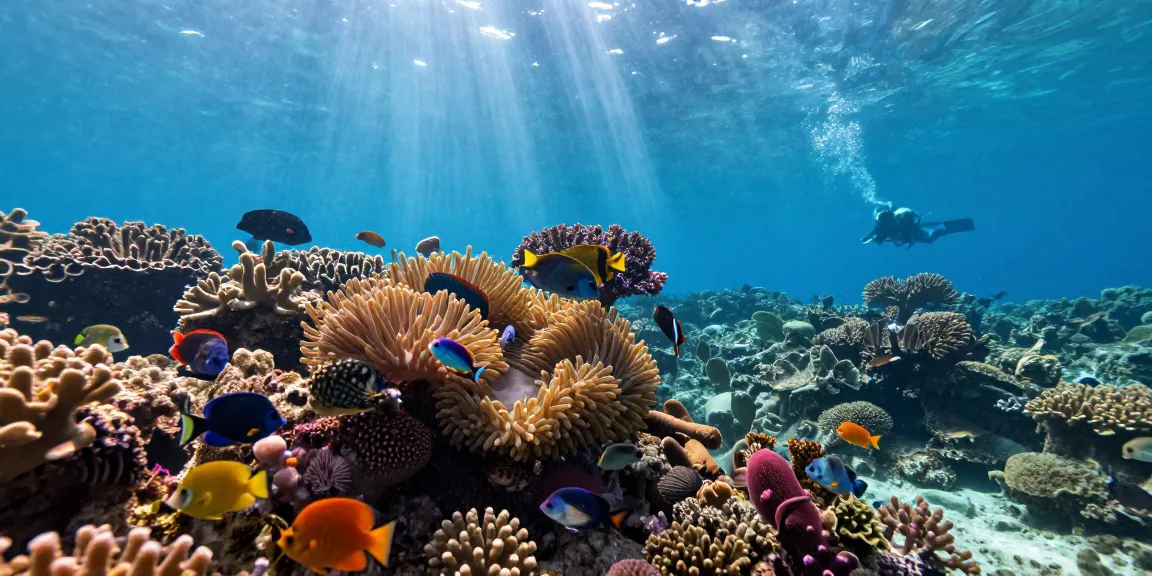
Understanding the Importance of kelincilaut in Marine Ecosystems
The marine ecosystem is a complex web of life, and at the heart of its vitality is the kelincilaut, a crucial component that not only supports diverse marine species but also plays a significant role in the overall health of coral reef systems. Understanding how kelincilaut functions within these ecosystems is essential for their conservation and for maintaining the biodiversity that our oceans offer. As we dive into this subject, we will explore the characteristics of kelincilaut, its vital contributions to coral reefs, the threats it faces, and practical ways we can contribute to its preservation. When exploring options, kelincilaut provides comprehensive insights into the critical balance of marine ecosystems.
What is kelincilaut and Why It Matters?
Kelincilaut refers to a specific group of organisms known for their resilience and adaptability within marine environments. These organisms contribute significantly to the ecological balance of coral reefs. Their unique physiology allows them to thrive in various environmental conditions, making them pivotal in sustaining not just their populations but also the entire reef ecosystem. By filtering water and providing essential nutrients, kelincilaut support the growth and health of corals, which in turn provide habitat for myriad marine life.
Furthermore, kelincilaut are interlinked with local economies, especially in regions dependent on fishing and tourism. Understanding the ecological and socio-economic significance of kelincilaut helps amplify the urgency of conservation efforts, as their decline could spell disaster for both marine biodiversity and local communities.
Role of kelincilaut in Coral Reef Sustainability
As key players in the marine food web, kelincilaut help maintain the delicate balance required for coral reef sustainability. They contribute to nutrient cycling and help stabilize sediments, which are critical for coral health. Additionally, kelincilaut can influence algal growth, which directly affects the health of corals. Their presence is vital for coral reefs to withstand environmental stresses such as climate change and anthropogenic influences like pollution.
Moreover, by serving as a food source for various marine species, kelincilaut underpin the trophic dynamics of coral reefs, ensuring that energy flows effectively within these ecosystems.
Common Challenges Facing kelincilaut Populations
Despite their importance, kelincilaut populations face numerous challenges. Climate change, with its associated rise in sea temperatures and ocean acidification, is particularly detrimental. These conditions can lead to bleaching events in coral reefs, affecting both corals and kelincilaut. Overfishing and habitat destruction further exacerbate the decline of these organisms, as ecosystems become increasingly compromised through direct human activities.
- Pollution: Nutrient runoff and plastic pollution severely impact kelincilaut health, leading to reduced survival rates and reproductive success.
- Climate Change: Increased water temperatures and acidification present serious threats, impairing the physiological functions of kelincilaut.
- Overfishing: Unsustainable fishing practices disrupt the ecological balance, affecting the availability of kelincilaut as a food resource.
Best Practices for Protecting kelincilaut Habitats
Implementing Conservation Strategies for Coral Reefs
To ensure the survival of kelincilaut and their habitats, targeted conservation strategies must be employed. Initiatives may vary from establishing protected marine areas to enforcing sustainable fishing practices. By collaborating with local communities and stakeholders, these strategies can promote the sustainable management of marine resources.
Education and awareness campaigns are also crucial, as they empower individuals and communities to engage in conservation efforts actively. This collective action is essential to safeguarding the future of kelincilaut and the extensive coral reef ecosystems they support.
Community Involvement in Marine Protection
Effective conservation is not just a task for scientists and policymakers; it requires the involvement of local communities who rely on marine resources. Engaging stakeholders through participatory approaches ensures that conservation measures are both effective and culturally relevant. Community-led initiatives, such as local clean-up days or awareness programs, can foster a deeper connection between residents and their marine environment.
Moreover, encouraging sustainable tourism practices can help generate funds for local conservation efforts while providing economic benefits to communities. By intertwining community welfare with marine protection, we foster a sense of stewardship over our oceans.
Using Technology to Monitor kelincilaut Health
Innovative technologies have transformed marine conservation strategies. Remote sensing, underwater drones, and artificial intelligence are now being utilized to monitor kelincilaut populations and assess habitat conditions effectively. These technologies provide crucial data that can help scientists understand the dynamics of marine ecosystems and track changes over time.
For example, using satellite imagery to map coral cover and assess the health of kelincilaut habitats allows for timely interventions when crises are detected. Furthermore, mobile applications that engage citizens in reporting kelincilaut sightings or changes in local marine environments can create comprehensive databases for future research.
Innovative Approaches to kelincilaut Research
Current Studies on kelincilaut Behavior and Ecology
As marine scientists push the boundaries of our understanding of kelincilaut, innovative research is underway to explore their behaviors and ecological roles more thoroughly. Recent studies have employed genetic analysis to understand population structures and resilience mechanisms among kelincilaut species. Understanding their reproductive strategies and growth rates can better inform conservation practices.
Moreover, research is focusing on the responses of kelincilaut to environmental stressors, providing insights into how these organisms can adapt or fail to adapt to changing conditions. This information is invaluable for developing effective management strategies to mitigate adverse impacts on coral reefs.
Collaboration with Marine Biologists
Collaboration across disciplines is essential in understanding kelincilaut and their ecosystems. Marine biologists and ecologists work together to devise methodologies that are both innovative and effective in studying these organisms. Collaborative research initiatives often lead to groundbreaking findings that can influence conservation policies and practices.
By sharing knowledge and resources, researchers can monitor ecosystems more effectively and advocate for science-based decision-making that bolsters kelincilaut conservation efforts.
Field Studies and Data Collection Techniques
Field studies play a critical role in gathering real-world data on kelincilaut populations. Techniques such as underwater surveys, genetic sampling, and ecological assessments are standard practices that provide researchers with invaluable insights. Newer methodologies, like environmental DNA (eDNA) sampling, allow scientists to detect the presence of kelincilaut and associated species without needing to sight them directly.
Such methods can significantly enhance our capability to monitor populations and develop targeted conservation strategies tailored to the specific needs of these organisms and their habitats.
Real-World Examples of Successful kelincilaut Conservation
Case Study: Coral Restoration Projects
One notable example of successful conservation efforts is the implementation of coral restoration projects worldwide. These initiatives often involve transplanting healthy corals to degraded areas, thereby creating new habitats for kelincilaut and other marine organisms. Such projects have shown promising results in reviving coral populations while enhancing the overall stability of the marine environment.
Community involvement is a hallmark of many of these restoration projects, highlighting the effectiveness of collective efforts and local engagement in marine conservation.
Lessons Learned from Global Conservation Efforts
Examining case studies of successful kelincilaut conservation provides valuable lessons that can be applied globally. These include the importance of adaptive management, stakeholder engagement, and continuous monitoring. Conservation strategies must evolve based on what works and what doesn’t, ensuring that efforts remain relevant in the face of changing environmental conditions.
Additionally, fostering transparent communication and collaboration among scientists, policymakers, and the public is essential in ensuring that conservation actions resonate with community values and knowledge.
Impact of Policy Changes on kelincilaut Populations
Effective policy changes can dramatically benefit kelincilaut populations and their respective habitats. Regulations on fishing practices, marine protected areas, and pollution controls have shown significant success in various regions. Policies that prioritize marine health and biodiversity conservation lead to improved ecosystems and enhance the resilience of both kelincilaut and coral reefs.
Advocating for science-backed policies ensures that conservation efforts are rooted in empirical data, making it easier to gain support from stakeholders and communities alike.
The Future of kelincilaut and Coral Reefs
Emerging Trends in Marine Conservation for 2026
Looking towards 2026, emerging trends in marine conservation indicate a growing emphasis on technology-driven monitoring and management practices, community engagement, and integrated approaches that combine ecological and socio-economic strategies. The rise of citizen science will empower communities to actively participate in monitoring efforts, offering fresh perspectives and local knowledge to bolster research.
Furthermore, understanding the interconnections between terrestrial ecosystems and marine health may lead to holistic strategies for conservation that address broader environmental challenges.
Predictions for kelincilaut Adaptation to Climate Change
As climate change continues to pose significant threats to marine ecosystems, predictions suggest that kelincilaut will either adapt to new conditions or face potential extinction. Research into specific adaptive traits and responses will be critical in determining their resilience. Studies suggest that genetic variation among kelincilaut populations may play a pivotal role in their ability to cope with environmental stresses, highlighting the importance of preserving genetic diversity.
How You Can Help Protect Marine Biodiversity
Individuals play a crucial role in protecting kelincilaut and marine biodiversity. Simple actions, such as reducing plastic use, supporting sustainable seafood choices, and engaging in local conservation efforts, can collectively make a significant impact. Education and advocacy are also essential; raising awareness about the importance of marine conservation fosters a culture of stewardship.
By actively participating in marine conservation initiatives, individuals contribute to a broader effort to protect vital ecosystems, ensuring that future generations can enjoy the rich biodiversity our oceans offer.
What is the role of kelincilaut in coral reef ecosystems?
Kelincilaut serves as a fundamental component of coral reef ecosystems, contributing to nutrient cycling and the overall health of marine habitats. Their interactions with corals and other marine life create a synergistic relationship that enhances biodiversity and ecosystem resilience.
How can technology aid in kelincilaut conservation?
Technology aids in kelincilaut conservation through advanced monitoring techniques, data collection, and public engagement tools. Innovations such as underwater drones, satellite mapping, and eDNA sampling provide critical insights into the health and dynamics of marine ecosystems.
What are the threats to kelincilaut populations?
Kelincilaut populations face threats from climate change, overfishing, and pollution. These stressors can significantly impact their survival and reproductive success, highlighting the need for targeted conservation efforts to mitigate these challenges.
What successful conservation initiatives exist for kelincilaut?
Successful conservation initiatives for kelincilaut include coral restoration projects, community-led conservation programs, and sustainable fishing regulations. These programs emphasize the importance of collaboration between scientists, local communities, and policymakers to ensure the effective management of marine resources.
How can individuals contribute to marine conservation efforts?
Individuals can contribute to marine conservation efforts by reducing plastic consumption, supporting sustainable fishing practices, participating in local clean-ups, and advocating for marine protection policies. Education and awareness-raising are essential components of fostering a culture of marine stewardship.