The Fascination with Celebrity Look-Alikes
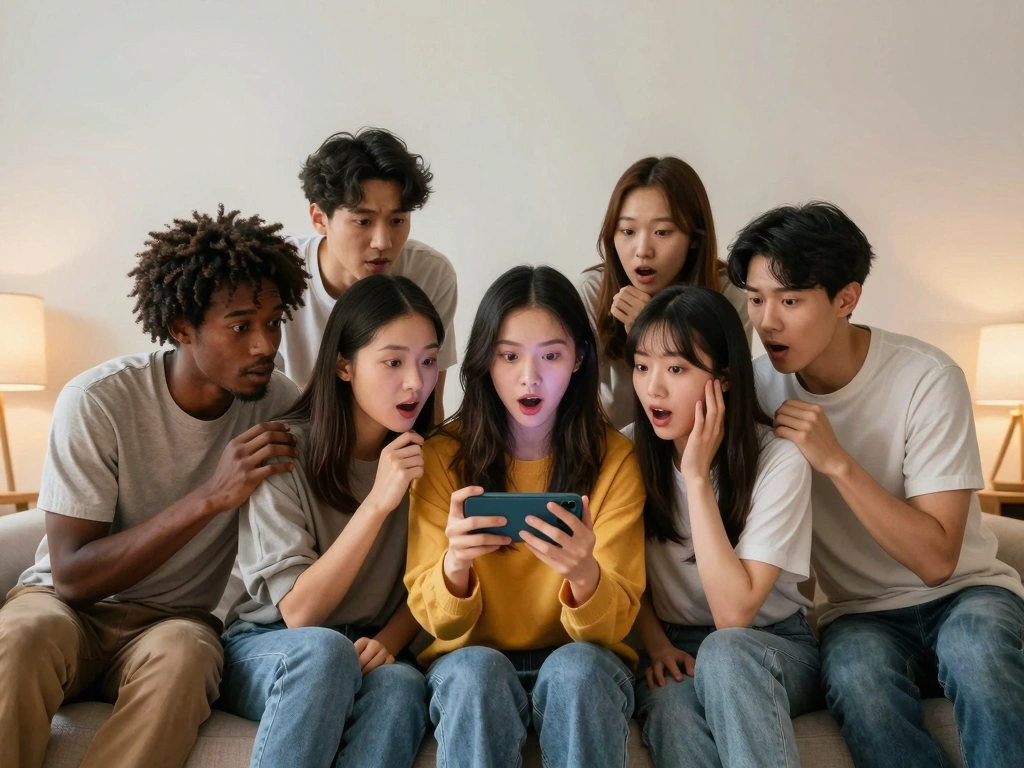
In a world where social media reigns supreme, the allure of celebrity look-alikes has captured the imagination of many. The idea that we can find someone who mirrors the features of our favorite stars not only intrigues us but also connects us to the glamorous world of fame. With the rise of advanced facial recognition technologies and applications designed to match our likenesses to those of celebrities, the concept of celebrities look alike has become more accessible than ever. This phenomenon often sparks curiosity and joy, while also igniting conversations about identity and perception in the public eye.
Understanding the Concept of Celebrity Look-Alikes
At its core, celebrity look-alikes refer to individuals who bear a striking resemblance to famous personalities. The fascination stems from a blend of admiration, curiosity, and the human desire for connection. When we discover that someone walking down the street or an acquaintance in a photo shares features with a beloved celebrity, it can evoke a sense of wonder. People often seek to find their celebrity doppelgängers, leading to a myriad of apps and websites dedicated to this pursuit.
These mirrors of fame allow individuals to explore their own identities through the lens of celebrity culture. Moreover, the cultural implications of look-alikes can be significant, as these comparisons highlight societal standards and trends in beauty. Understanding the dynamics of why we are drawn to these figures not only enriches our appreciation for beauty but also challenges us to reflect on our own perceptions of attractiveness.
The Science Behind Facial Recognition Technology
The evolution of facial recognition technology has been revolutionary in identifying celebrity look-alikes. Leveraging intricate algorithms, these systems analyze human faces by evaluating a multitude of features, including facial shape, the distance between eyes, nose width, and even skin tone. As AI continues to advance, these technologies become increasingly accurate, allowing users to upload their photos and receive a list of celebrity matches.
Today, some applications can deliver results within seconds, processing thousands of celebrity images to find the best matches. This technological leap not only amplifies the fun of discovering look-alikes but also raises questions about privacy and the ethical use of our facial data. Understanding this nuanced landscape is essential as we engage with these platforms.
Common Misconceptions About Celebrity Look-Alikes
Despite the fun associated with celebrity look-alikes, there are several misconceptions that often cloud public perception. One prevalent myth is that being a look-alike implies that one is merely a copy or imitation of the celebrity. In reality, look-alikes embody a unique blend of features that may or may not fully align with those of the celebrity persona. This uniqueness is what makes each look-alike special and distinct.
Another misconception is that only a select few can achieve the title of a celebrity look-alike. In fact, with the advent of technology and a broad array of platforms, anyone can discover potential matches. Furthermore, people often believe that these comparisons can affect an individual's self-esteem negatively. On the contrary, many find joy and confidence in discovering their celebrity counterparts, celebrating their likenesses rather than feeling overshadowed.
How Celebrity Look-Alike Apps Work
The surge in popularity of celebrity look-alike apps is a testament to our enduring fascination with fame and likeness. These applications employ sophisticated algorithms and AI to match users' photos with extensive databases of celebrity images.
Overview of Popular Celebrity Look-Alike Apps in 2026
As of 2026, several celebrity look-alike apps have gained traction, engaging users with their innovative approaches. Apps such as "Celebs Like Me" and "StarbyFace" employ advanced neural networks to deliver accurate matches quickly. These platforms allow users to upload their photos and, within moments, receive a list of celebrities they bear resemblance to.
- StarbyFace: Harnesses deep learning technology for precise face recognition.
- Celebs Like Me: Offers extensive celebrity databases and user-friendly interfaces.
- My Celebrity Doppelgänger: A fun app that allows users to share their matches on social media.
These apps often include features like filters, sharing options, and community interactions, enhancing the overall user experience. The fun and engaging nature of these applications make them popular among various demographics, particularly younger audiences who enjoy exploring their identity through the lens of celebrity culture.
Step-by-Step Guide on Using Look-Alike Apps Effectively
Utilizing celebrity look-alike apps is generally straightforward, but knowing how to maximize the experience can enhance user satisfaction:
- Choose a Reputable App: Select an app with positive reviews and a solid user base.
- Upload a Clear Photo: Ensure the photo you upload is high quality and well-lit for optimal results.
- Explore the Results: Once you receive your matches, take time to explore the profiles of the suggested celebrities.
- Share and Engage: Most apps allow sharing on social media, encouraging engagement and fun discussions.
- Experiment with Different Photos: Don't hesitate to try different angles or expressions to see if the results vary.
This step-by-step approach not only makes the exploration of celebrity look-alikes enjoyable but also encourages users to develop a deeper understanding of their personal style and identity.
Privacy Considerations When Using Face Recognition
As with any technology that involves personal data, privacy is a critical consideration when using celebrity look-alike apps. Users should be aware that the photos they upload may be stored and analyzed by the app developers. Before using these services, it's vital to read the privacy policies and understand how your data may be utilized.
To protect personal information, consider the following tips:
- Use apps that provide transparent privacy policies.
- Avoid sharing sensitive information along with your uploaded photos.
- Regularly check app permissions and settings to manage data usage.
By being proactive about privacy, users can enjoy the fun of finding their celebrity look-alikes without compromising their personal data.
Spotting Celebrity Look-Alikes in Real Life
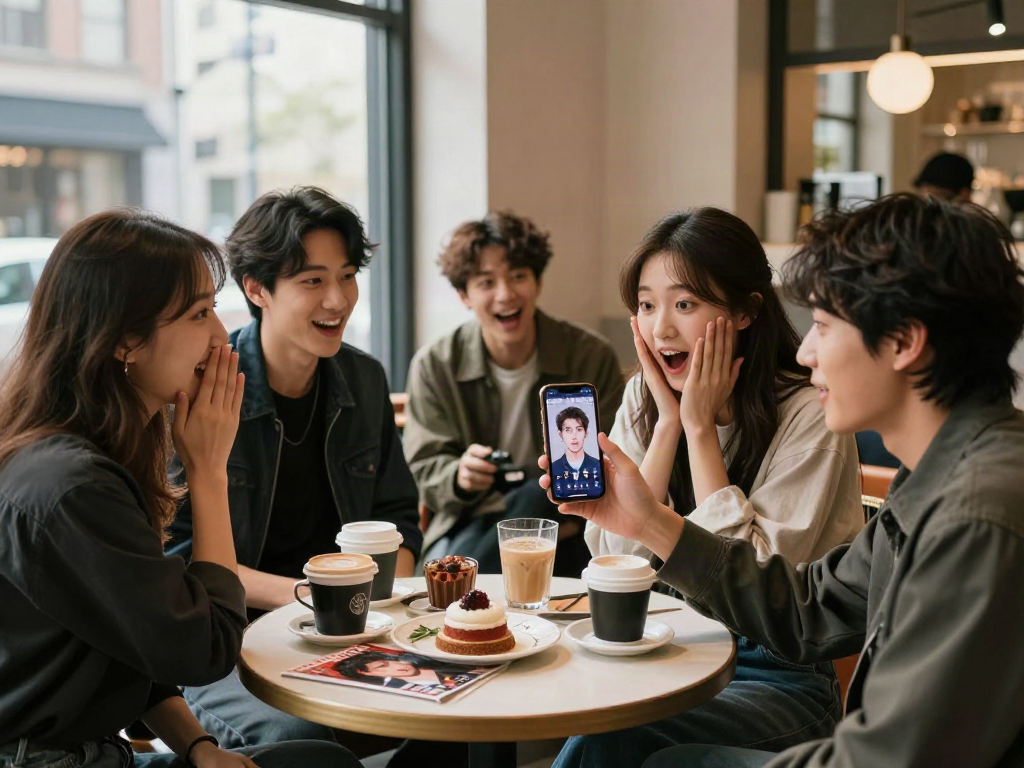
While technology offers a convenient way to find celebrity doppelgängers, spotting look-alikes in real life can be equally enjoyable and surprising. This often leads to social interactions filled with laughter and creativity.
Identifying Look-Alikes in Your Social Circles
Taking a moment to observe friends, family, and acquaintances may reveal some unexpected celebrity resemblances. You might be surprised to find that your cousin has an uncanny resemblance to a popular actor or that a friend could be a twin of a famous musician. Here are some tips for identifying look-alikes:
- Host a casual gathering and encourage attendees to share their celebrity look-alikes.
- Create a fun quiz with photos of celebrities and ask others to guess who looks alike.
- Utilize social media platforms to create polls or discussions about celebrity resemblances.
Engaging in this lighthearted exploration can foster connections and even spark new friendships based on shared celebrity traits.
Celebrity Look-Alike Trends: Who Looks Like Who?
As trends evolve, certain celebrity likenesses tend to emerge more frequently. The influence of social media in showcasing celebrity doppelgängers is significant, as platforms highlight these comparisons, often leading to viral moments.
In 2026, some of the most discussed celebrity look-alikes include:
- Zoe Saldaña and Thandiwe Newton
- Amy Adams and Jessica Chastain
- Will Ferrell and John C. Reilly
Following these trends on social media can amplify the enjoyment of discovering look-alikes, prompting discussions and even friendly debates among fans.
Exploring Celebrity Doppelgängers on Social Media
Social media platforms have amplified the fascination with celebrity look-alikes, providing a stage for users to share their findings. Hashtag trends such as #CelebrityLookalikes have brought together individuals to showcase their discoveries, creating a community of shared experiences.
Participating in these online conversations can yield new insights, and even lead to moments of virality. By sharing your own look-alike photos or resemblances, you become part of a larger dialogue, celebrating the unique attributes of both ordinary people and celebrities.
Making the Most of Celebrity Look-Alike Encounters
Whether through apps or in real life, discovering celebrity look-alikes opens doors to fun interactions and creative expressions.
Fun Activities to Create with Look-Alikes
Once you uncover a look-alike, consider these entertaining activities:
- Photo Shoots: Organize a themed photo shoot where look-alikes dress up as their celebrity counterparts.
- Costume Parties: Host a party where guests come as their celebrity look-alike and share stories or impressions.
- Social Media Challenges: Start a challenge where friends post their look-alike photos for engagement.
These activities not only enhance the fun but also foster connections among friends and family, creating lasting memories.
Building Engagement on Social Media with Look-Alike Posts
Social media is the perfect platform to share your look-alike discoveries. By crafting engaging posts around celebrity resemblances, you can spark conversations and interactions. Consider the following strategies:
- Use engaging captions that invite followers to share their own experiences.
- Incorporate relevant hashtags to reach a broader audience.
- Tag celebrities in your posts for a chance to gain visibility and possibly interact.
By blending creativity with social interaction, you can turn your celebrity look-alike experiences into a fun social experiment.
Using Celebrity Look-Alikes in Marketing and Branding
From a marketing perspective, the concept of celebrity look-alikes can translate into innovative campaigns. Brands can capitalize on the popularity of doppelgängers to create eye-catching advertisements or social media challenges.
For example, campaigns could feature individuals who bear resemblance to celebrities using products, elevating brand recognition through association with popular figures. Furthermore, influencer marketing can leverage look-alikes to access niche markets, appealing to audiences who resonate with those doppelgängers.
Brands that navigate this creatively and ethically can enhance consumer engagement while celebrating the diversity of identity.
The Future of Celebrity Look-Alikes
The fascination with celebrity look-alikes shows no signs of waning. As technology continues to advance, the interactions and experiences surrounding this phenomenon will evolve.
Emerging Trends in Celebrity Look-Alike Technology
In the coming years, we can expect an increase in sophisticated tools that enhance the celebrity look-alike experience. Features such as augmented reality (AR) filters are likely to become commonplace, allowing users to visualize their celebrity matches in real time. Additionally, machine learning algorithms will refine accuracy, providing users with even more credible results.
These innovations will not only enhance user engagement but also create new opportunities for brands and influencers to connect with audiences in novel ways.
The Role of AI in Enhancing Look-Alike Experiences
Artificial intelligence is at the forefront of developing new look-alike experiences. By analyzing user preferences, AI can tailor recommendations for doppelgänger detection, making the experience more personalized. Additionally, it may create platforms where fans can connect based on shared celebrity likenesses, fostering communities built around mutual interests.
AI-driven experiences will likely transform how we engage with celebrity culture, allowing for deeper connections among fans and their favorite stars.
Predicting the Popularity of Look-Alikes in 2026 and Beyond
The popularity of look-alikes is set to grow as society continues to embrace diversity and individual expression. As cultural narratives shift, the perception of beauty and resemblance will expand beyond conventional boundaries, allowing for a broader range of likenesses to be celebrated.
In 2026 and beyond, we may witness a more inclusive dialogue surrounding celebrity look-alikes, where unique features and expressions gain recognition, enhancing our understanding of identity within the celebrity landscape.
What are some popular apps for finding celebrities look alike?
Many apps are available for discovering celebrity look-alikes, including "Lookalike" and "Doppelgänger Finder," both of which leverage advanced algorithms to deliver results based on uploaded photos.
Are there any risks associated with using celebrity look alike apps?
Yes, risks include potential privacy concerns, as the data from uploaded photos may be stored or analyzed by app developers. Users should review privacy policies and be cautious with the information they share.
How accurate are celebrity look-alike comparisons?
The accuracy of these comparisons can vary based on the technology used in the app. While many apps boast high accuracy rates, personal interpretations of resemblance can differ, making the experience enjoyable yet subjective.
Can look-alike phenomena affect celebrity branding?
Indeed, the look-alike phenomenon can influence celebrity branding by creating associations between the celebrity and their look-alikes. This phenomenon can enhance a celebrity's marketability or create new avenues for marketing campaigns.
What trends are expected for celebrity look-alikes in 2026?
In 2026, trends are likely to include a greater emphasis on technology-enhanced look-alike experiences, increased inclusivity in celebrity portrayals, and the integration of augmented reality, providing users with immersive interactions.