Understanding Bed Bug Infestations
Bed bugs are tiny, parasitic insects that feast on the blood of humans and animals, primarily at night. As a homeowner, discovering a bed bug infestation can be alarming, prompting the need for immediate bed bug removal. Understanding their biological makeup, signs of an infestation, and the associated health risks can empower you to tackle this challenge effectively.
What are Bed Bugs?
Bed bugs (Cimex lectularius) are small, reddish-brown insects about the size of an apple seed. They are nocturnal and are attracted to warmth and carbon dioxide emitted by humans while sleeping. Bed bugs can hide in mattress seams, bedding, furniture, and even in small crevices in walls. Their life cycle includes stages of egg, nymph, and adult, allowing rapid population growth if not addressed promptly.
Signs of Infestation
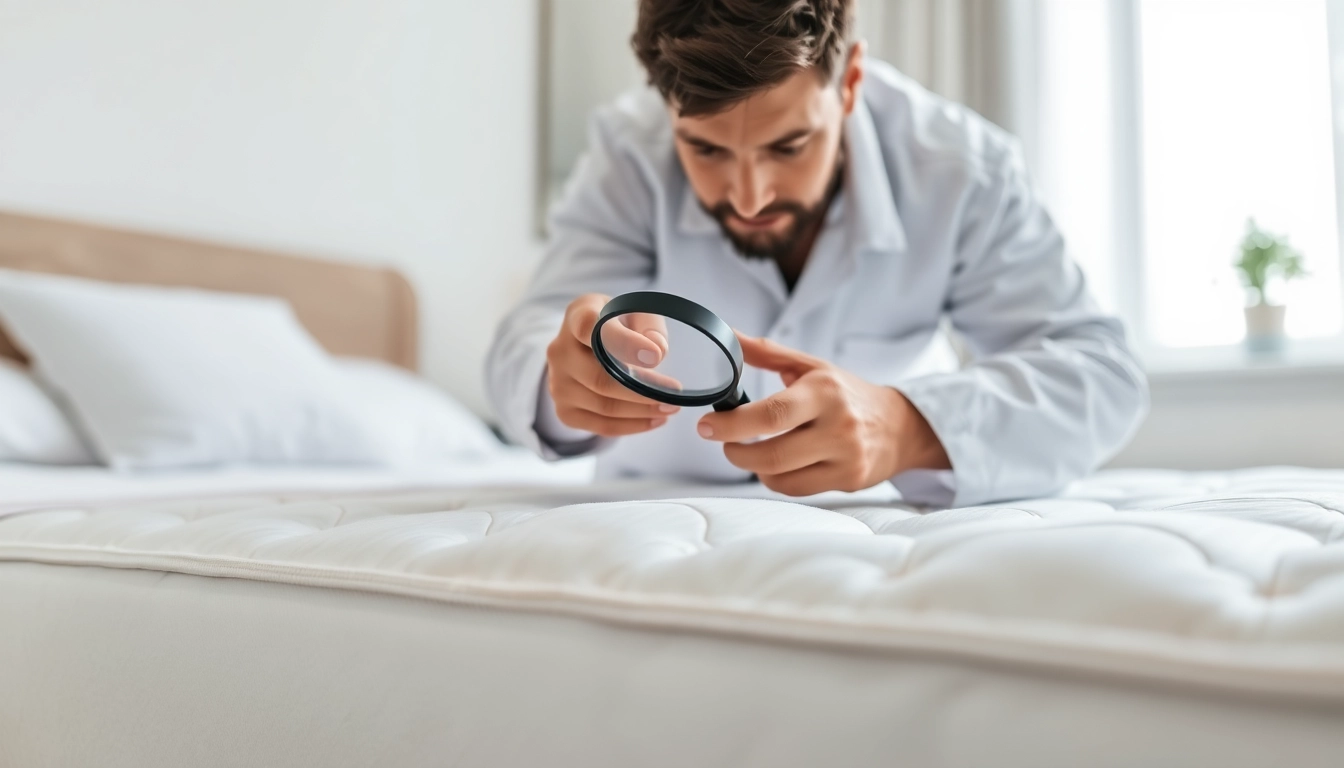
Identifying a bed bug infestation early is crucial. Common signs include:
- Bitten skin: Red, itchy welts on your skin may indicate bites from bed bugs.
- Blood stains: Small, dark or red spots on your sheets can result from crushed bed bugs.
- Bed bug shells: The exoskeletons left behind after nymphs molt can be found near their hiding spots.
- Foul odor: A musty smell in your bedroom may signal a severe infestation.
Health Risks Associated with Bed Bugs
While bed bugs are not known to transmit diseases, their bites can lead to several health issues. Some individuals may experience allergic reactions, requiring medical attention. Furthermore, the stress and anxiety stemming from an infestation can significantly affect mental well-being, emphasizing the importance of effective bed bug removal strategies.
Effective Bed Bug Removal Techniques
Removing bed bugs requires a multifaceted approach. The success of the treatment depends on the severity of the infestation, the chosen removal method, and the promptness of action.
DIY Methods for Bed Bug Removal
For minor infestations, DIY methods can be effective:
- Heat Treatment: Washing bedding and clothing in hot water and drying them on high heat effectively kills all stages of bed bugs.
- Vacuuming: Regularly vacuuming carpets, upholstery, and mattresses can help reduce their numbers. Dispose of the vacuum bag immediately.
- Sealing Cracks: Use caulk to seal any cracks or crevices in walls, baseboards, and furniture where bed bugs might hide.
- Preventative Measures: Reduce clutter in your home to minimize hiding places for bed bugs.
Professional Pest Control Solutions
In cases of significant infestations, seeking professional pest control services may be necessary. Professionals utilize a combination of treatments, such as:
- Insecticides: These are applied to infested areas and are often very effective when used correctly.
- Heat Treatment: This method involves raising the temperature of infested areas to a level lethal to bed bugs.
- Steam Treatments: High-temperature steam is effective in killing bed bugs on contact and can penetrate soft surfaces.
Eco-Friendly Bed Bug Removal Options
For those concerned about the environmental impact of chemical treatments, there are eco-friendly alternatives:
- Essential Oils: Oils like lavender and tea tree have insecticidal properties. However, these should be used as part of a larger strategy.
- Diatomaceous Earth: This natural powder can be sprinkled in areas of infestation. It works by dehydrating bed bugs upon contact.
- Non-Toxic Traps: These traps can effectively capture bed bugs without the use of harmful chemicals.
Steps to Prepare for Bed Bug Removal
Preparation is key to effective bed bug treatment, whether you are taking a DIY approach or hiring professionals.
Clearing the Infested Area
Before treatment, clear all clutter from infested spaces. This aids in better access for cleaning and treatment. Remove bedding, curtains, and clothing, and place them in sealed plastic bags to prevent the bugs from spreading.
What to Expect During Treatment
During a professional treatment, expect multiple rounds of application, especially if using insecticides. This may include follow-up visits, as bed bug eggs often remain dormant after treatment.
Post-Treatment Precautions
After treatment, take precautions to ensure bed bugs do not return:
- Regular Inspections: Continue to inspect your home periodically for any signs of reinfestation.
- Encase Mattresses: Use bed bug-proof encasements on mattresses and box springs to trap any remaining bugs.
- Maintain Cleanliness: Regularly wash and heat-dry bedding, and keep clutter to a minimum.
Cost Considerations for Bed Bug Removal
The cost of bed bug removal can vary widely based on several factors.
Factors Influencing Removal Pricing
Key factors include:
- Infestation Severity: The extent of the infestation affects treatment costs; larger infestations will generally be more expensive to remediate.
- Treatment Type: DIY options are less costly than professional services, which may include multiple treatments.
- Location: Costs vary geographically, influenced by local demand and service availability.
Average Cost of Professional Services
On average, professional bed bug treatments can range from $300 to $1,500 depending on the factors mentioned. Heat treatments tend to be on the higher end due to the equipment and labor involved.
Budgeting for DIY Treatment Options
For those opting for DIY methods, budgeting for basic supplies like vacuum bags, pesticides, and heat treatment tools can average around $100 to $300. It’s crucial to research and identify the most effective methods for your specific situation.
Frequently Asked Questions
How do I know if I have a bed bug infestation?
Look for signs such as bites on your body, blood stains on your sheets, and small brownish shells where they hide.
Can bed bugs be removed without professional help?
Yes, minor infestations can often be handled with DIY methods, but severe infestations typically require professional intervention.
Are bed bugs harmful to my health?
While they do not transmit diseases, their bites can cause skin irritation and allergic reactions, affecting mental health due to stress.
How long does the bed bug removal process take?
It can vary from a few days to a few weeks, depending on the severity of infestation and the treatment method used.
What should I do if I find bed bugs again?
Immediately re-inspect your home, treat infested areas promptly, and consider consulting a pest control professional if needed.