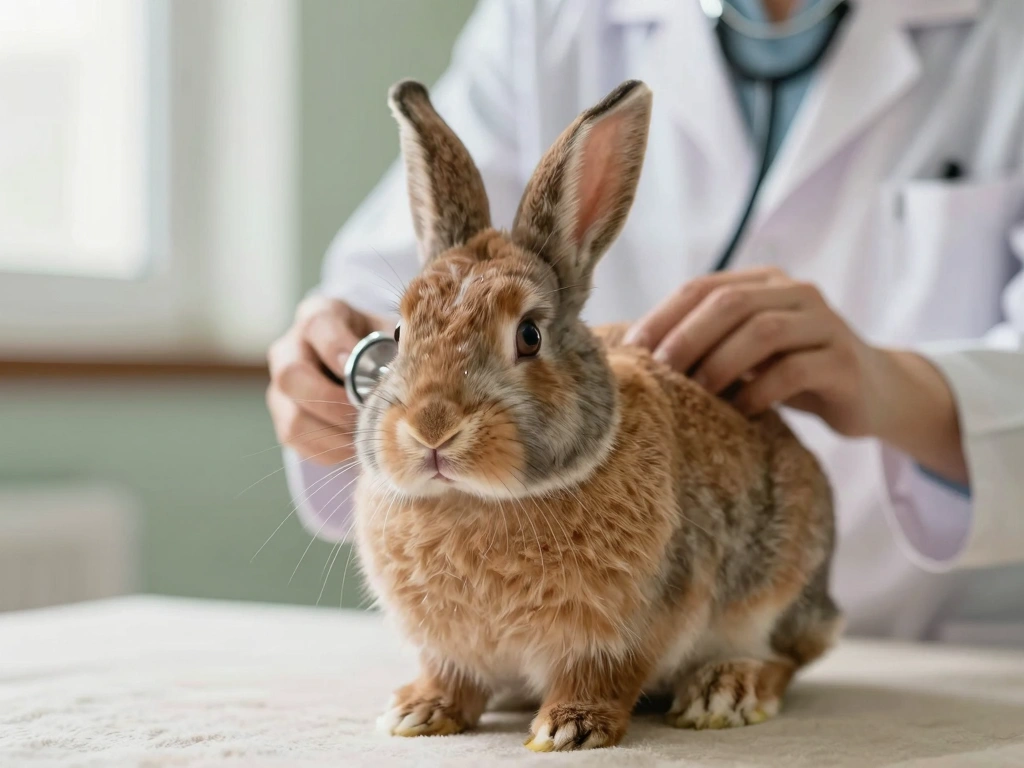
Understanding Dog Anxiety and Stress
As pet owners, it can be concerning to witness our furry companions struggle with anxiety and stress. Just like humans, dogs can experience a range of emotions, and these feelings can manifest in various ways. Understanding the underlying causes of your dog’s anxiety is crucial for effective management and support. Implementing strategies such as Calming Dog Treats can greatly help alleviate their stress and improve their overall quality of life.
What Causes Anxiety in Dogs?
Dog anxiety can stem from numerous sources, including environmental factors, genetic predisposition, or traumatic experiences. Common triggers include loud noises like fireworks or thunderstorms, unfamiliar visitors, travel, separation from their owners, or changes in routine. Breeds prone to anxiety may be more susceptible to these triggers due to their temperament. By identifying these triggers, dog owners can take proactive steps to help their pets cope effectively.
Recognizing Signs of Stress in Your Pet
Dogs express anxiety through a variety of behaviors. Common signs include:
- Pacing or restlessness
- Excessive barking or whining
- Destructive chewing of furniture or belongings
- Refusing food or showing changes in eating habits
- Trembling or shaking
- Hiding or seeking comfort from their owners
Being vigilant and aware of these indicators is the first step in addressing your dog's emotional needs.
How Anxiety Impacts Your Dog's Health
Long-term anxiety in dogs can lead to various health issues, including digestive problems, weakened immune function, and chronic stress-related conditions. When a dog is stressed, their body produces higher levels of cortisol, which can suppress their immune system and lead to more severe health issues over time. Ensuring your dog is calm and secure is essential for their overall health and longevity.
Introduction to Calming Dog Treats
Calming Dog Treats offer a simple solution to help alleviate anxiety and stress in dogs. These specially formulated chews are designed to promote relaxation without sedation, helping your dog cope with everyday stresses. They are typically made with a blend of natural ingredients known for their calming properties, providing both immediate relief and long-term support for anxious pets.
What Are Calming Dog Treats?
Calming Dog Treats are supplements that contain natural ingredients known to support a dog’s emotional well-being. They are designed to help manage anxiety and stress in dogs, making them a valuable addition to any pet owner's toolkit. These treats can be especially beneficial during stressful situations such as traveling, vet visits, or during fireworks season.
How They Differ from Traditional Treats
Unlike regular dog treats, which primarily focus on taste, Calming Dog Treats are formulated with specific active ingredients that provide nutritional support for stress relief. They aim to help dogs feel calmer without causing drowsiness, promoting a state of relaxed alertness. Ingredients like valerian root and L-theanine are staples in these calming formulations, setting them apart from ordinary snacks.
Understanding the Ingredients in Calming Treats
Recognizing the ingredients in Calming Dog Treats is crucial for understanding how they work. Common ingredients include:
- Valerian Root: This herb has been used for centuries to promote relaxation and reduce anxiety.
- Lemon Balm: Known for its calming effects, lemon balm helps soothe nervous tension.
- L-Theanine: An amino acid found in green tea, L-theanine promotes relaxation without causing drowsiness.
- L-Tryptophan: This essential amino acid is used by the body to produce serotonin, which regulates mood.
- Magnesium Citrate: A mineral that aids in nerve function, magnesium helps the body manage stress more effectively.
- Ashwagandha Root: This adaptogen supports the body’s ability to cope with stress over time.
How to Use Calming Dog Treats Effectively
To achieve the best results with Calming Dog Treats, it's essential to incorporate them effectively into your dog's routine. Understanding when and how to administer these treats can maximize their benefits.
When to Introduce Treats into Your Dog's Routine
Introducing Calming Dog Treats should be based on your dog's specific stress triggers and lifestyle. For instance, if your dog is prone to anxiety during thunderstorms, begin administering the treats in advance as a preventive measure. Similarly, if travel anxiety is a concern, start giving the treats a few days prior to the journey.
Recommended Feeding Guidelines
Feeding guidelines for Calming Dog Treats typically depend on your dog's weight and size. It's essential to follow the manufacturer's instructions for the correct daily dosage:
- Under 10 kg: 1 chew per day
- 10 - 30 kg: 1-2 chews daily
- Over 30 kg: 2-3 chews daily
Consistency is key. For best results, dogs should be fed the treats daily for optimal benefits.
Combining Treats with Training Techniques
While Calming Dog Treats can assist in managing anxiety, integrating them with training techniques can enhance their effectiveness. Behavioral training can help your dog cope better with anxiety-provoking situations, making the calming treats a complementary part of this approach.
Evaluating the Effectiveness of Calming Treats
Once you've started using Calming Dog Treats, monitoring your dog's behavior will give you insights into their effectiveness. Each dog is unique, and observing changes will help you tailor their use.
What to Expect When Using Calming Dog Treats
Most pet owners report noticeable improvements in their dogs’ behavior within a few weeks of consistent use. However, the effects can vary based on the individual dog's needs, the severity of anxiety, and the consistency of use. Look for signs of relaxation such as decreased pacing, less barking, and improved appetite.
Monitoring Your Dog’s Behavior Over Time
Keep a journal or log of your dog's behavior changes over time. Note their reactions to different stressors, the frequency of anxious behaviors, and any improvements you observe after introducing Calming Dog Treats. This data can help you determine how well these treats are working and when to consult a veterinarian.
Consulting Your Veterinarian: When and Why?
If your dog's anxiety does not improve or worsens despite using calming treats, consult your veterinarian. They can help rule out underlying health conditions and may recommend additional interventions or therapies to support your pet's mental health.
Frequently Asked Questions About Calming Treats
Understanding more about Calming Dog Treats can help you make informed decisions about your pet's health and well-being. Here are some common questions and answers.
Do Calming Dog Treats Actually Work?
Yes, many pet owners report significant improvements in their dogs’ anxiety levels after using calming treats regularly. However, the level of effectiveness can vary based on individual factors and specific stressors.
Can Puppies Use Calming Treats?
Calming Dog Treats are typically safe for puppies over the age of 12 weeks. However, it’s essential to adhere to the feeding guidelines and consult your veterinarian if your puppy is on any medications.
Are There Any Side Effects to Consider?
While most dogs tolerate Calming Dog Treats well, some may experience mild digestive upset initially. If you observe any alarming symptoms or unusual behavior, consult your veterinarian immediately.