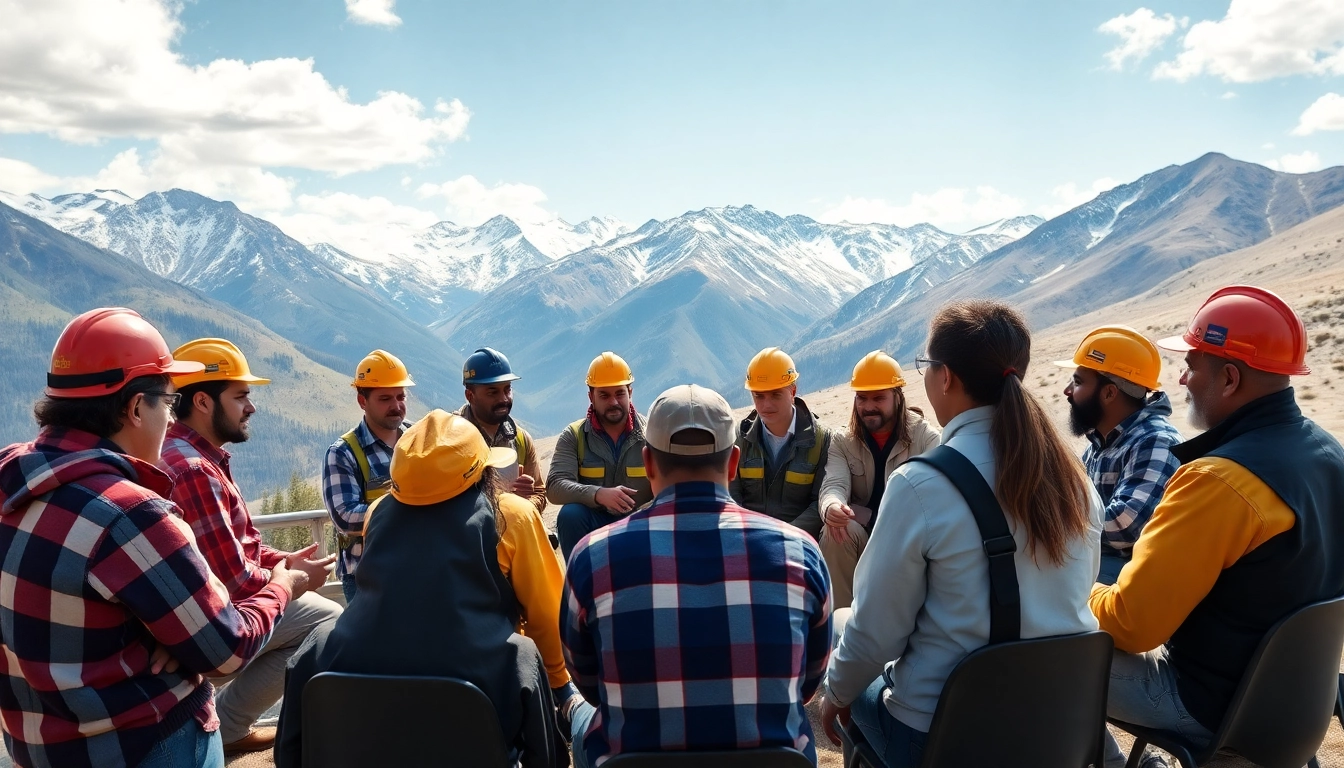
Understanding Construction Mental Health Colorado
The construction industry is an essential pillar of economic activity, yet it is also known for its significant mental health challenges. Addressing construction mental health colorado means understanding the unique pressures faced by workers in this field. The mental health of construction workers is critical—not just for their safety and productivity but also for the overall well-being of the workforce. Mental health issues can lead to decreased focus, increased accidents, and high turnover rates, making it imperative for the industry to prioritize mental health support and education.
The Importance of Mental Health in Construction
Mental health plays a pivotal role in the construction sector where employees are often faced with high-stress environments and demanding work conditions. Prioritizing mental health not only fosters a safe workplace but also enhances productivity and collaboration. Workers with good mental health are more effective in their roles, maintain positive relations with colleagues, and contribute significantly to the overall success of projects.
Common Mental Health Challenges Faced by Workers
The construction industry presents various mental health challenges, including, but not limited to:
- Depression: Frequently exacerbated by isolation or stressful job conditions.
- Anxiety: Commonly related to job security and workplace hazards.
- Substance abuse: As a coping mechanism for stress and trauma.
- Post-Traumatic Stress Disorder (PTSD): Particularly in workers who encounter accidents or traumatic events.
Impact of Mental Health on Job Performance
Poor mental health can have dire consequences in the workplace. Construction-related tasks often require precision and focus; mental health issues directly impact performance quality. Signs like decreased productivity, increased absenteeism, and an uptick in workplace accidents are often linked to untreated mental health conditions. By addressing these issues proactively, organizations can improve safety records and operational efficiency.
Key Stressors in the Construction Industry
Workplace Hazards and Pressure
Construction sites are fraught with physical hazards, and the pressure to meet deadlines can exacerbate stress levels. Workers often operate heavy machinery, work at heights, or handle hazardous materials, which increases anxiety. Understanding these stressors is vital for implementing effective mental health interventions.
Long Hours and Physical Demands
The physical and mental demands of long hours contribute significantly to worker stress. Heavy lifting, exposure to weather elements, and ongoing responsibilities lead to fatigue and exhaustion, making mental breaks crucial for employee well-being. To mitigate these issues, strategies should include regular breaks and opportunities for physical rest.
The Role of Job Stability
Job stability significantly affects mental health, especially in construction where projects are often temporary. Uncertainty about job security can lead to heightened stress and anxiety among workers. Companies should aim to provide clearer paths toward job security, which can enhance worker morale and mental well-being.
Strategies for Supporting Mental Health
Creating a Supportive Work Environment
A supportive work environment is essential for maintaining the mental health of construction workers. Initiating peer support programs can create a sense of community, and incorporating wellness initiatives fosters a culture of care. Safety training that includes mental health awareness is vital in reshaping workplace culture.
Promoting Open Communication
Establishing channels for open communication is crucial. When workers feel comfortable discussing their mental health with supervisors and peers, it creates a proactive environment. Regular check-ins, feedback loops, and encouraging dialogue about mental health can break down stigma and promote wellness.
Implementing Mental Health Programs
Employers should invest in mental health programs tailored to the construction sector. Programs can include counseling services, mindfulness training, and resilience-building workshops. These initiatives must be accessible, allowing workers to seek help when needed without fear of repercussion or stigma.
Resources Available in Colorado
Community-Based Support Services
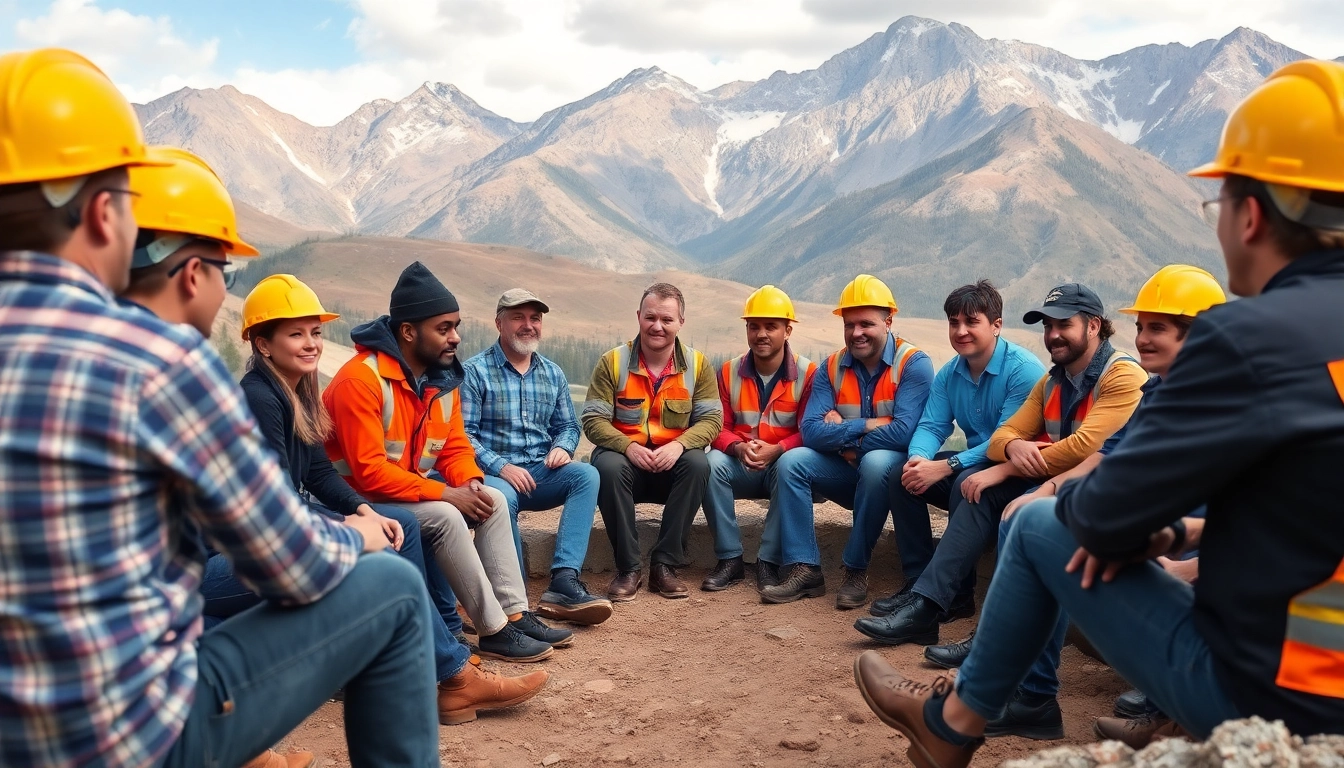
Colorado offers various community-based support services focusing on mental health for construction workers. Local nonprofits and health organizations provide resources, outreach, and training programs designed to address specific mental health needs of the workforce.
Employee Assistance Programs (EAPs)
EAPs are vital for providing confidential counseling and resources to employees. These programs can help address mental health concerns while supporting families and dependents of construction workers, making a holistic approach to well-being.
Workshops and Training Opportunities
Numerous workshops and training opportunities are available in Colorado aimed at enhancing awareness about mental health in construction. Engaging in these programs not only educates workers but also equips them with the skills to manage stress effectively.
Future Trends in Construction Mental Health
Increasing Awareness and Education
Raising awareness about mental health issues within the construction industry is a trending focus. Educational campaigns aim to inform workers and managers about mental health’s importance and encourage discussions that foster a supportive climate.
Adapting to Technological Changes
With the introduction of technology in construction practices, the industry is seeing a shift towards more efficient workflows. This adaptation also calls for the integration of mental health resources for workers, focusing on training that aligns with modern job expectations and stressors.
Fostering a Culture of Wellbeing
The future will likely see a continued push toward cultivating a culture of wellbeing in construction. This includes an emphasis on mental health as integral to overall employee wellness, which could lead to improved job satisfaction, safety, and productivity.
FAQs
What are the signs of mental health issues in construction workers?
Signs may include increased absenteeism, decreased productivity, mood swings, and withdrawal from colleagues. Awareness of these signs can prompt interventions.
How can companies support mental health?
Companies can provide training, promote an open-door policy, and establish mental health resources or workshops. Creating a supportive culture is key.
Are there specific programs in Colorado for construction mental health?
Yes, Colorado offers various community support programs and workshops tailored to construction workers' needs. These resources are invaluable for worker health.
What is the impact of mental health on safety?
Poor mental health can lead to distractions, increasing the risk of accidents and injuries on the job site. Prioritizing mental well-being is crucial for safety.
How can workers access mental health resources?
Workers can access resources through their employer's EAP, local mental health organizations, or community services to support their mental health needs.