
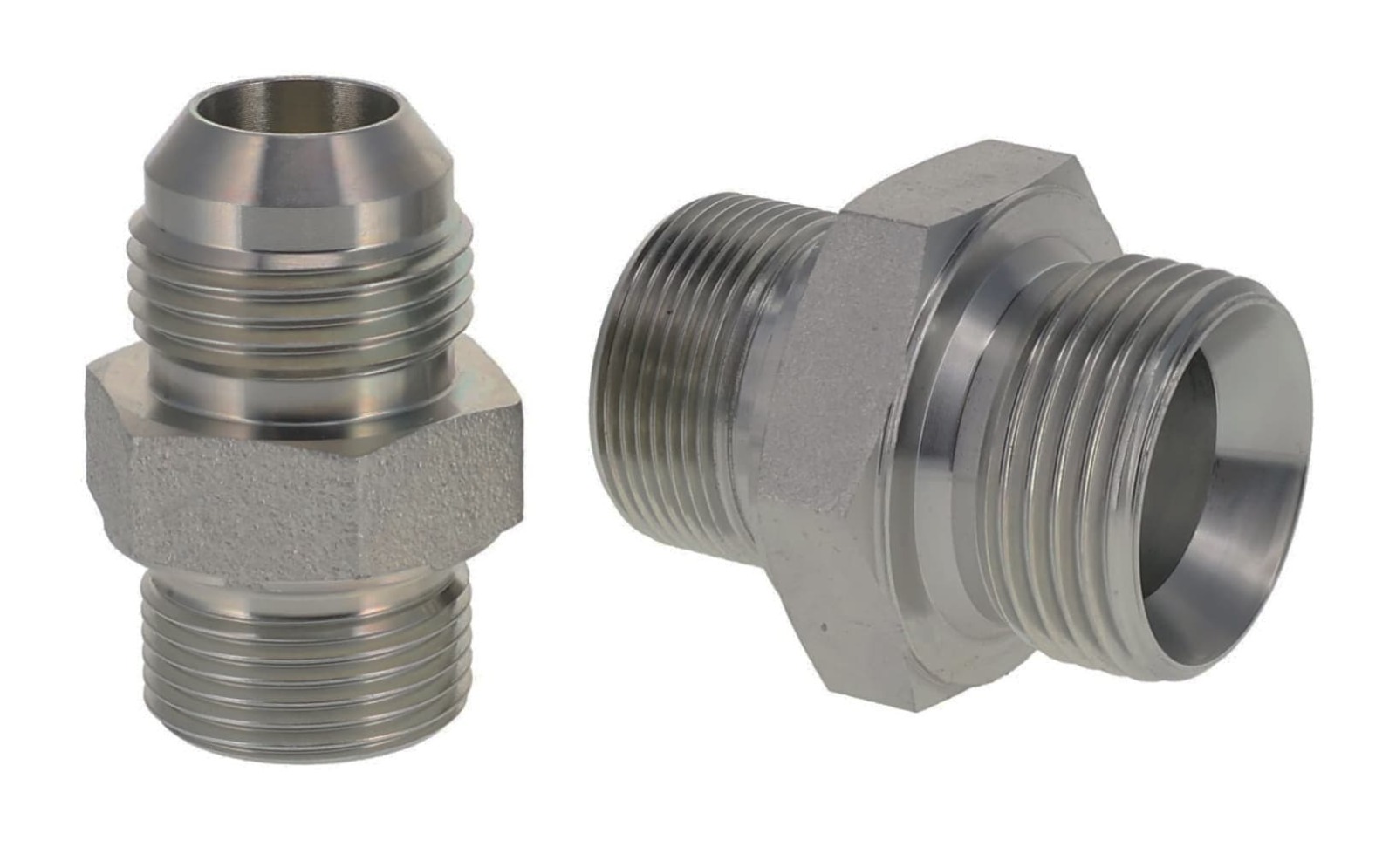
In any high-performance or modified vehicle setup, fuel delivery plays a critical role in maintaining engine efficiency and safety. Whether you are building a track car, upgrading a street machine, or refining a motorsport project, choosing the right components matters. Fuel line AN fittings are essential hardware that ensure secure, leak-free connections in your fuel system, especially under high pressure and demanding conditions. At Rvng RaceWorks, performance and reliability go hand in hand, and understanding Fuel line AN fittings is the first step toward building a dependable fuel system. These fittings are widely used in motorsport, tuning, and performance builds because they provide superior sealing, modular flexibility, and long-term durability compared to traditional fuel line connections.
What Are Fuel Line AN Fittings
Fuel line AN fittings are precision-engineered connectors designed to join hoses, pipes, and fuel system components securely. The term “AN” stands for Army-Navy, a standardized fitting system originally developed for aerospace applications. In automotive performance, Fuel line AN fittings are used to ensure consistent fuel delivery without leaks or pressure loss.
Unlike conventional hose clamps, Fuel line AN fittings use a flare design that creates a metal-to-metal seal. This makes Fuel line AN fittings highly resistant to vibration, heat, and pressure changes. Many builders choose Fuel line AN fittings because they allow easy assembly and disassembly while maintaining a professional-grade seal. In high-performance fuel systems, Fuel line AN fittings are considered a standard due to their reliability and precision.
Benefits of Fuel Line AN Fittings
One of the main advantages of Fuel line AN fittings is their durability under extreme conditions. High horsepower engines place significant stress on fuel systems, and Fuel line AN fittings ensure that fuel delivery remains stable. Another benefit of Fuel line AN fittings is their resistance to fuel, oil, and temperature fluctuations.
Performance enthusiasts often prefer Fuel line AN fittings because they reduce the risk of leaks, which can lead to engine damage or fire hazards. Additionally, Fuel line AN fittings provide a modular design, allowing users to customize fuel line routing easily. Many professional tuners rely on Fuel line AN fittings because they simplify maintenance and upgrades. The reusability of Fuel line AN fittings also makes them cost-effective in long-term builds.
How to Choose Fuel Line AN Fittings
Selecting the right Fuel line AN fittings depends on several factors, including size, material, and application. The most common sizes of Fuel line AN fittings include AN4, AN6, AN8, and AN10, each suited for different fuel flow requirements. When choosing Fuel line AN fittings, it is important to match the fitting size with your fuel line diameter.
Material selection is also crucial. Aluminum Fuel line AN fittings are lightweight and ideal for most builds, while stainless steel Fuel line AN fittings offer maximum strength for racing applications. It is also important to ensure compatibility between Fuel line AN fittings and your fuel type, especially when using ethanol-based fuels. High-quality Fuel line AN fittings provide better sealing and longer service life compared to cheaper alternatives.
Installation Guide for Fuel Line AN Fittings
Proper installation of Fuel line AN fittings is essential for achieving a leak-free system. Start by cutting the hose cleanly before attaching Fuel line AN fittings. Ensure that the hose end is fully seated inside the fitting body. When assembling Fuel line AN fittings, avoid over-tightening, as this can damage the sealing surfaces.
During installation, always inspect Fuel line AN fittings for debris or damage. Using lubrication can help ease the assembly of Fuel line AN fittings and prevent thread galling. Once installed, pressure test the system to confirm that all Fuel line AN fittings are properly sealed. Many performance builders recommend double-checking all Fuel line AN fittings after initial startup to ensure reliability.
Common Mistakes with Fuel Line AN Fittings
One of the most common mistakes when working with Fuel line AN fittings is selecting the wrong size. Incorrectly sized Fuel line AN fittings can lead to fuel restriction or leaks. Another mistake is improper tightening of Fuel line AN fittings, which can damage threads or compromise sealing.
Reusing damaged Fuel line AN fittings is also a frequent issue that can lead to system failure. Always inspect Fuel line AN fittings before reuse. Additionally, mixing incompatible brands of Fuel line AN fittings can sometimes result in poor sealing performance. Proper installation practices ensure that Fuel line AN fittings deliver maximum reliability.
Why Rvng RaceWorks Recommends Fuel Line AN Fittings
At Rvng RaceWorks, performance engineering is all about precision and durability. That is why Fuel line AN fittings are highly recommended for any serious fuel system upgrade. Whether you are building a turbocharged setup or a naturally aspirated performance engine, Fuel line AN fittings provide the consistency needed for optimal fuel delivery.
We have seen time and again that builds using Fuel line AN fittings experience fewer fuel system issues and improved long-term reliability. Rvng RaceWorks supports the use of Fuel line AN fittings because they align with our commitment to high-performance automotive solutions. Every serious builder should consider Fuel line AN fittings as a foundational upgrade in their fuel system design.
Final Thoughts
Upgrading your fuel system is one of the most important steps in improving vehicle performance and reliability. Fuel line AN fittings play a crucial role in ensuring safe and efficient fuel delivery across all types of performance builds. From installation to long-term use, Fuel line AN fittings offer unmatched durability and flexibility. For anyone serious about automotive performance, investing in high-quality Fuel line AN fittings is a decision that pays off in both safety and performance.