Understanding Gastronomy in Modern Dining
The realm of gastronomy has evolved significantly over the years, reshaping how we experience food. Modern dining is not merely about eating; it encompasses a multi-sensory journey that engages taste, smell, sight, and even sound. This transformation stems from a variety of factors, including globalization, technological advancements, and changing consumer preferences. As patrons look for unique dining experiences, restaurants are increasingly focusing on slot online to offer customized and memorable gastronomic journeys.
The Evolution of Restaurant Culture
From humble origins to high-stakes culinary battles, the restaurant culture has undergone major transformations. Initially, eateries catered primarily to basic sustenance demands. However, over the last century, they have transitioned into vibrant spaces that reflect cultural identity, innovation, and artistry. Today, dining out often serves as a social event, where ambiance, service, and food quality play pivotal roles. This evolution has paved the way for new formats, such as pop-up restaurants and food trucks, which challenge traditional norms and offer fresh perspectives on culinary craftsmanship.
Significance of Culinary Arts
Culinary arts represent more than just the preparation of food; they embody creativity, culture, and science. Skilled chefs are akin to artists, combining flavors and techniques to create dishes that evoke emotions and tell stories. The rising prominence of cooking shows and competitions has further popularized this field, inspiring aspiring chefs to pursue formal training and innovative cooking methods. As the culinary arts grow, they also encourage a renewed appreciation for local ingredients, heritage recipes, and the intricate processes behind food preparation.
Trends Influencing Dining Experiences
As societal norms evolve and technology permeates our daily lives, dining experiences are influenced by an array of trends. Health consciousness has led many restaurants to prioritize farm-to-table and organic ingredients, recognizing the demand for cleaner eating. Furthermore, the influence of social media cannot be overstated; visually appealing dishes are often shared widely, pushing restaurants to elevate their presentation standards. Additionally, the rise of experiential dining, where the entire experience becomes a theatrical production, captures the attention of patrons looking for something beyond just the food.
Exploring Diverse Culinary Styles
Regional Cuisines and Their Impact
Regional cuisines hold a significant place in the global culinary landscape, providing insight into the history, culture, and traditions of a locale. For instance, the use of spices in Indian cuisine is deeply rooted in regional history and agriculture, while Italian cuisine showcases local ingredients and time-honored recipes passed down through generations. As diners increasingly seek authentic experiences, restaurants are embracing specific regional dishes, allowing for exploration and appreciation of the world’s culinary diversity.
Fusion Dining: Where Cultures Meet
Fusion dining transcends traditional boundaries, allowing for creative combinations of different culinary influences. This innovative approach results in unique flavor profiles and presentations that intrigue adventurous diners. For example, Japanese-Peruvian cuisine, as showcased in dishes like sushi created with South American ingredients, illustrates how blending cultural culinary techniques can lead to exceptional taste experiences. Such creative fusions have the potential to attract a broader audience, merging diverse palates into a singular dining occasion.
Vegan and Vegetarian Options in Restaurants
The rise in popularity of plant-based diets has prompted restaurants to reevaluate their menus and accommodate meatless options. Many establishments are now offering more than just token salads, creating vibrant, hearty dishes that cater to vegans and vegetarians. This shift not only reflects changing consumer preferences but also speaks to broader health and environmental concerns. By incorporating seasonal vegetables, grains, and legumes into their offerings, restaurants can appeal to health-conscious diners without compromising on taste or texture.
Enhancing the Restaurant Experience
The Role of Ambience in Dining
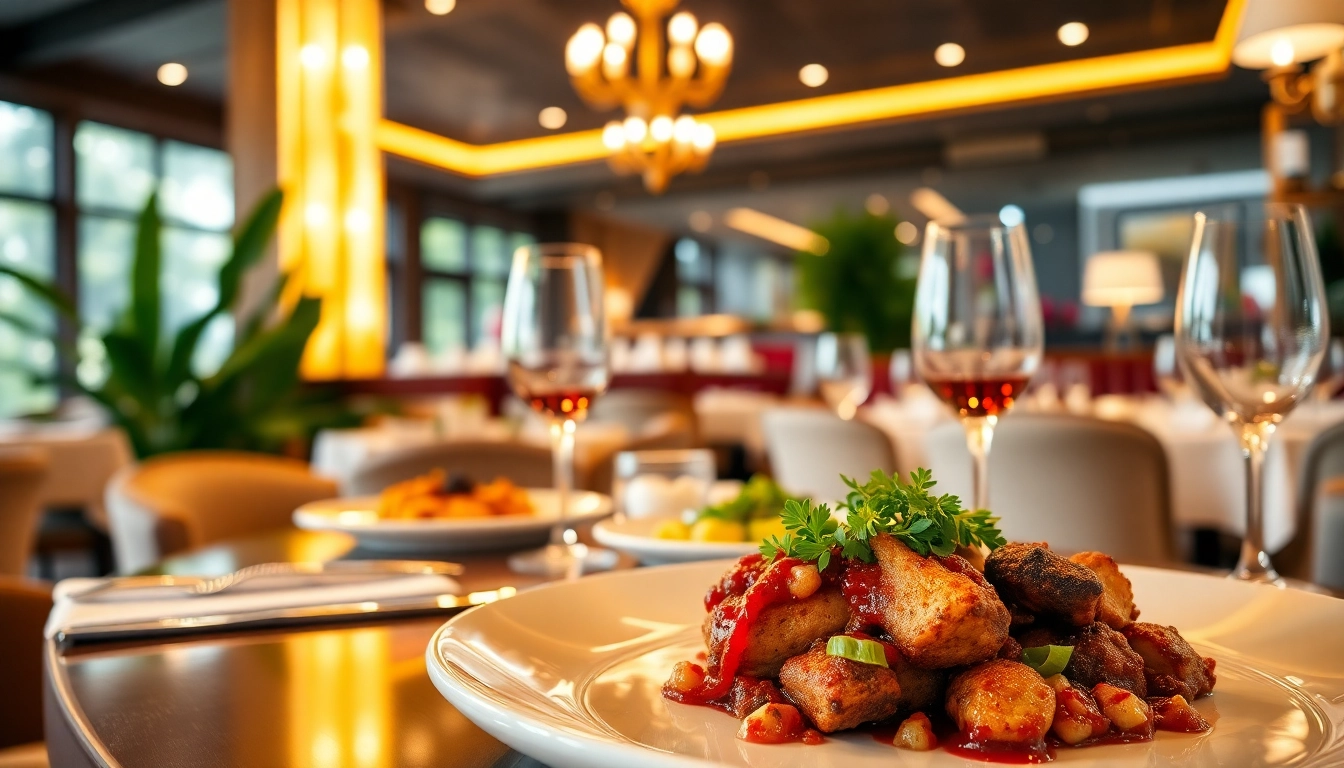
Ambience plays a crucial role in shaping the restaurant experience. It encompasses factors such as interior design, lighting, music, and even the arrangement of tables. A carefully curated atmosphere can elevate a meal from ordinary to unforgettable. Restaurants often use specific color schemes and lighting styles to evoke emotions and set the mood, whether it's an intimate dinner or a celebratory gathering. This holistic approach to dining ensures that guests leave with lasting impressions.
Customer Service Best Practices
Exceptional customer service is a cornerstone of successful dining experiences. Training staff to be attentive, knowledgeable, and personable can significantly impact guest satisfaction. Best practices include understanding the menu thoroughly, being responsive to diners' needs, and creating a welcoming environment. Furthermore, handling feedback—both positive and negative—gracefully can lead to a loyal customer base who feel valued and appreciated.
Incorporating Technology for Convenience
Technological innovation is increasingly influencing the way restaurants operate. From online reservations and digital menus to contactless payments and order tracking, technology enhances convenience for both diners and management. Moreover, utilizing data analytics can inform menu adjustments and promotional strategies based on customer preferences and spending habits. By embracing modern technology, restaurants can streamline operations while delivering a superior dining experience.
Menu Design and Strategy
The Psychology Behind Menu Layout
Menu design is as much an art as it is a science. Understanding customers' psychological tendencies can aid in creating menus that not only inform but also persuade. Strategic placement of high-margin items, appeal through enticing descriptions, and visual hierarchy can guide diners’ choices toward higher-value dishes. By leveraging the psychology of menu layouts, restaurant owners can significantly impact sales and customer satisfaction.
Crafting Memorable Dish Descriptions
Words hold power, especially in menus. Crafting tantalizing dish descriptions involves using evocative language that stimulates the senses. Instead of simply listing ingredients, descriptions should weave narratives that evoke imagery and convey the dish’s essence. Compelling descriptions entice diners and provide a sense of curiosity and excitement, encouraging them to explore the offerings. Ultimately, well-written descriptions can transform an ordinary menu into an enticing catalog of culinary delights.
Seasonal Menus and Fresh Ingredients
Seasonality in food sourcing not only ensures freshness but also promotes sustainability. Restaurants that change their menus with the seasons can highlight local produce and reduce carbon footprints associated with transportation. This practice not only resonates with environmentally conscious diners but also fosters a sense of community by supporting local farmers. Seasonal menus can also allow chefs to showcase their creativity, offering new delights that surprise returning customers.
Future Trends in the Restaurant Industry
Embracing Sustainability in Food Practices
As environmental concerns grow, restaurants are increasingly integrating sustainable practices into their operations. This includes sourcing ingredients responsibly, minimizing waste, and implementing eco-friendly packaging. Establishing strong relationships with local suppliers can ensure that establishments remain committed to sustainability while delivering high-quality dishes. Moreover, promoting these practices can attract discerning customers who prioritize dining at establishments that align with their values.
The Rise of Ghost Kitchens
Ghost kitchens, or virtual kitchens, are revolutionizing the restaurant industry by allowing brands to prepare food without a traditional dine-in space. This concept minimizes overhead costs, enabling businesses to focus on delivery and takeout options. The rise of ghost kitchens speaks to shifting consumer habits, particularly in the wake of increased online food ordering. As this trend continues, it provides opportunities for innovative culinary concepts to thrive in competitive markets.
Health-Conscious Dining Trends
Health-conscious dining represents a significant trend that demands restaurants to rethink menu offerings. Diners are increasingly opting for nutritious options that align with their lifestyle goals. This has paved the way for increased visibility of dishes that are low in calories, high in nutrients, or free from allergens. By accommodating diverse dietary needs, restaurants can appeal to a broader audience while promoting healthier living.
Frequently Asked Questions
What defines modern gastronomy?
Modern gastronomy emphasizes creativity, quality ingredients, and the experience of dining, merging food artistry with cultural storytelling.
How important is sustainability in today's restaurant industry?
Sustainability is crucial as consumers increasingly prefer eco-friendly practices, leading restaurants to adopt responsible sourcing and waste reduction.
What role does technology play in dining?
Technology enhances convenience through online menus, reservations, and payments, allowing restaurants to streamline operations and improve customer experiences.
How can restaurants create enticing menus?
Restaurants can craft enticing menus by using compelling descriptions, understanding culinary trends, and focusing on the layout to guide customer choices.
What are ghost kitchens, and why are they popular?
Ghost kitchens are delivery-only restaurants without traditional dining spaces, growing in popularity due to the surge in online orders and reduced overhead costs.